
Nanomaterials and Vitamins to Combat Future Pandemics: Lessons from COVID-19: A Review
DOI:
https://doi.org/10.48048/tis.2026.11481Keywords:
Nanoparticles, COVID-19, SARS- CoV, MERS-COV, Vaccines, Drugs, VitaminsAbstract
The severe acute respiratory syndrome coronavirus 2 (SARS‐CoV‐2) has infected over 100 million people globally due to its high infectivity. After decades of efforts on the studies of nanomaterials, researchers have applied nanomaterials‐based strategies to combat the pandemic of the coronavirus disease 2019 (COVID‐19). First, nanomaterials facilitate the development of easy, fast, and low‐cost diagnostic assays to detect SARS‐CoV‐2 and related biomarkers. Second, nanomaterials enable the efficient delivery of viral antigens to antigen‐presenting cells or serve as adjuvants in the host, leading to vaccine development at an unprecedented pace. Lastly, nanomaterials‐based treatments may inhibit SARS‐CoV‐2 replication and reduce inflammation. Overall, nanomaterials have played important roles in controlling this COVID‐19 pandemic. Here, we provide a brief overview of the representative examples of nanomaterials‐based diagnostics, vaccines, and therapeutics in the fight against COVID‐19. The use and effectiveness of state responses is constantly evolving, particularly in relation to physical distancing policies during the COVID-19 pandemic. Testing is a measure of response performance and will be a central point during the infectious disease pandemic as all countries face similar situations. COVID-19 is a unique opportunity to assess and measure the success of a country, control its spread, and combat the social and economic impacts of interventions. By fighting the factors associated with testing and reporting, understanding the limits on COVID-19 case numbers will strengthen the country’s response to these and future pandemics, and improve the reliability of the knowledge gained by cross-country comparisons. With amazing and amazing COVID-19, a lack of testing may not trust the efforts of the entire community, rather than the entire population. The emergence of novel strains of SARS-CoV-2 highlights the pressing need to investigate various strategies for enhancing pandemic resilience. Even though tried-and-true methods like social separation, masks, and vaccinations have proven effective, issues with immunizations make finding a global answer more complex. This paper underscores the pivotal connection between immunological resilience and vitamins, shedding light on the compromised immune response resulting from undernourishment. Vitamins become essential for protecting the body from viral invasion, particularly from SARS-CoV-2. Crucial roles in cellular activities are played by vitamin A, which is necessary for vision, and the B-vitamin complex, which supports energy synthesis and nerve function. In the context of viral infections, the significance of vitamin D, crucial for both immune system function and bone health, along with vitamin C and its ability to combat free radicals, becomes paramount.This research aims to to elucidate the specific effects and mechanisms by which essential vitamins (A, B, C, D, and E) contribute to the mitigation of COVID-19. By investigating the distinct roles of vitamins within the framework of the pandemic, this research seeks to clarify the potential benefits that these micronutrients may offer in mitigating the severity of COVID-19 and bolstering immune responses to combat viral infectons.
HIGHLIGHTS
- Investigating comparative analysis of biological features of SARS-CoV and COVID-19.
- Investigating Coronavirus binding with the ACE2 receptor.
- Investigating nanomaterials-based diagnostics for tracking SARS-COV-2.
GRAPHICAL ABSTRACT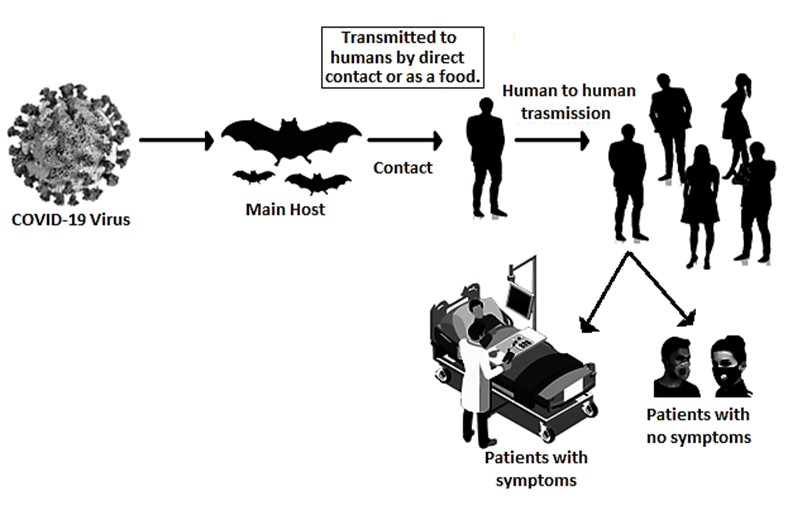
Downloads
References
J Ma. China’ s first confirmed Covid-19 case traced back to November 17, Available at: https://www.scmp.com/news/china/society/article/3074991/coronavirus-chinas-first-confirmed-covid-19-case-traced-back, accessed November 2019.
S Zhao, J Ran, SS Musa, G Yang, Y Lou, D Gao, L Yang, D He and MH Wang. Preliminary estimation of the basic reproduction number of novel coronavirus (2019-nCoV) in China, from 2019 to 2020: A data-driven analysis in the early phase of the outbreak. International Journal of Infectious Diseases 2020; 92, 214-217.
World Health Organization. Laboratory testing for 2019 novel coronavirus (2019-nCoV) in suspected human cases: Interim guidance. World Health Organization, Geneva, Switzerland, 2020.
A Łoczechin, K Séron, A Barras, E Giovanelli, S Belouzard, YT Chen, N Metzler-Nolte, R Boukherroub, J Dubuisson and S Szunerits. Functional carbon quantum dots as medical countermeasures to human coronavirus. ACS Applied Materials & Interfaces 2019; 11(46), 42964-42974.
YWang, H Kang, X Liu and Z Tong. Combination of RT-qPCR testing and clinical features for diagnosis of COVID-19 facilitates management of SARS-CoV-2 outbreak. Journal of Medical Virology 2020; 92(6), 538-539.
A Tavakoli and MS Hashemzadeh. Inhibition of herpes simplex virus type 1 by copper oxide nanoparticles. Journal of Virological Methods 2020; 275, 113688.
A Mackie, S Gourcy, N Rigby, J Moffat, I Caprone and B Bajka. The fate of cellulose nanocrystal stabilised emulsions after simulated gastrointestinal digestion and exposure to intestinal mucosa. Nanoscale 2019; 11(6), 2991-2998.
V Kumari, S Vishwas, R Kumar, V Kakoty, R Khursheed, MR Babu, V Harish, N Mittal, PK Singh, NS Alharthi, MA Hakami, FFA Alkhayl, G Gupta, GD Rubis, KR Paudel, M Singh, M Zandi, BG Oliver, K Dua and SK Singh. An overview of biomedical applications for gold nanoparticles against lung cancer. Journal of Drug Delivery Science and Technology 2023; 86, 104729.
J Liu, J Liu, S Attarilar, C Wang, M Tamaddon, C Yang, K Xie, J Yao, L Wang, C Liu and Y Tang. Nano-modified titanium implant materials: A way toward improved antibacterial properties. Frontiers in Bioengineering and Biotechnology 2020; 8, 576969.
JM Rajwade, RG Chikte and KM Paknikar. Nanomaterials: New weapons in a crusade against phytopathogens. Applied Microbiology and Biotechnology 2020; 104(4), 1437-1461.
YA Malik. Properties of coronavirus and SARS-CoV-2. The Malaysian Journal of Pathology 2020; 42(1), 3-11.
A Repici, R Maselli, M Colombo, R Gabbiadini, M Spadaccini, A Anderloni, S Carrara, A Fugazza, MD Leo, PA Galtieri, G Pellegatta, EC Ferrara, E Azzolini and M Lagioia. Coronavirus (COVID-19) outbreak: What the department of endoscopy should know. Gastrointestinal Endoscopy 2020; 92(1), 192-197.
MA Shereen, S Khan, A Kazmi, N Bashir and R Siddique. COVID-19 infection: Emergence, transmission, and characteristics of human coronaviruses. Journal of Advanced Research 2020; 24, 91-98.
World Health Organization. Middle East respiratory syndrome coronavirus (MERS-CoV). World Health Organization, Geneva, Switzerland, 2025.
JFW Chan, KH Kok, Z Zhu, H Chu, KKW To, S Yuan and KY Yuen. Genomic characterization of the 2019 novel human-pathogenic coronavirus isolated from a patient with atypical pneumonia after visiting Wuhan. Emerging Microbes & Infections 2020; 9(1), 221-236.
C Huang, Y Wang, X Li, L Ren, J Zhao, Y Hu, L Zhang, G Fan, J Xu, X Gu, Z Cheng, T Yu, J Xia, Y Wei, W Wu, X Xie, W Yin, H Li, M Liu, Y Xiao, …, B Cao. Clinical features of patients infected with 2019 novel coronavirus in Wuhan, China. The Lancet 2020; 395(10223), 497-506.
R Lu, X Zhao, J Li, P Niu, B Yang, H Wu, W Wang, H Song, B Huang, N Zhu, Y Bi, X Ma, F Zhan, L Wang, T Hu, H Zhou, Z Hu, W Zhou, L Zhao, J Chen, ..., W Shi. Genomic characterisation and epidemiology of 2019 novel coronavirus: implications for virus origins and receptor binding. The Lancet 2020; 395(10224), 565-574.
R Wang, X Zhang, DM Irwin and Y Shen. Emergence of SARS-like coronavirus poses new challenge in China. Journal of Infection 2020; 80(3), 350-371.
D Paraskevis, EG Kostaki, G Magiorkinis, G Panayiotakopoulos, G Sourvinos and S Tsiodras. Full-genome evolutionary analysis of the novel corona virus (2019-nCoV) rejects the hypothesis of emergence as a result of a recent recombination event. Infection, Genetics and Evolution 2020; 79, 104212.
Y Zhao, Z Zhao, Y Wang, Y Zhou, Y Ma and W Zuo. Single-cell RNA expression profiling of ACE2, the putative receptor of Wuhan 2019-nCov. bioRxiv 2020. https://doi.org/10.1101/2020.01.26.919985
P Zhou, XL Yang, XG Wang, B Hu, L Zhang, W Zhang, HR Si, Y Zhu, B Li, CL Huang, HD Chen, J Chen, Y Luo, H Guo, RD Jiang, MQ Liu, Y Chen, XR Shen, X Wang, XS Zheng, …, ZL Shi. A pneumonia outbreak associated with a new coronavirus of probable bat origin. Nature 2020; 579(7798), 270-273.
Q Li, X Guan, P Wu, X Wang, L Zhou, Y Tong, R Ren, KSM Leung, EHY Lau, JY Wong, X Xing, N Xiang, Y Wu, C Li, Q Chen, D Li, T Liu, J Zhao, M Liu, W Tu, …, Z Feng. Early transmission dynamics in Wuhan, China, of novel coronavirus-infected pneumonia. New England Journal of Medicine 2020; 382(13), 1199-1207.
P Zhou, XL Yang, XG Wang, B Hu, L Zhang, W Zhang, HR Si, Y Zhu, B Li, CL Huang, H Chen, J Chen, Y Luo, H Guo, RD Jiang, MQ Liu, Y Chen, XR Shen, X Wang, XS Zheng, …, ZL Shi. Discovery of a novel coronavirus associated with the recent pneumonia outbreak in humans and its potential bat origin. bioRxiv 2020. https://doi.org/10.1101/2020.01.22.914952
H Xu, L Zhong, J Deng, J Peng, H Dan, X Zeng, T Li and Q Chen. High expression of ACE2 receptor of 2019-nCoV on the epithelial cells of oral mucosa. International Journal of Oral Science 2020; 12(1), 8.
H Zhang, JM Penninger, Y Li, N Zhong and AS Slutsky. Angiotensin-converting enzyme 2 (ACE2) as a SARS-CoV-2 receptor: Molecular mechanisms and potential therapeutic target. Intensive Care Medicine 2020; 46(4), 586-590.
RL Soiza, AIC Donaldson and PK Myint. The role of nanotechnology in the treatment of viral infections Lavanya. Advances in Vaccines 2018; 9(6), 259-261.
P Prabakaran, X Xiao and DS Dimitrov. A model of the ACE2 structure and function as a SARS-CoV receptor. Biochemical and Biophysical Research Communications 2004; 314(1), 235-241.
IM Mackay and KE Arden. An opportunistic pathogen afforded ample opportunities: Middle east respiratory syndrome coronavirus. Viruses 2017; 9(12), 369.
CM Coleman, YV Liu, H Mu, JK Taylor, M Massare, DC Flyer, GM Glenn, GE Smith and MB Frieman. Purified coronavirus spike protein nanoparticles induce coronavirus neutralizing antibodies in mice. Vaccine 2014; 32(26), 3169-3174.
G Bashiri, MS Padilla, KL Swingle, SJ Shepherd, MJ Mitchell and K Wang. Nanoparticle protein corona: From structure and function to therapeutic targeting. Lab on a Chip 2023; 23, 1432-1466.
G Smith, Y Liu and M Massare. Immunogenic middle east respiratory syndrome coronaviruses (Mers-Cov) compositions and methods. World Intellectual Property Organization, Geneva, Switzerland, 2015.
CM Coleman, T Venkataraman, YV Liu, GM Glenn, GE Smith, DC Flyer and MB Frieman. MERS-CoV spike nanoparticles protect mice from MERS-CoV infection. Vaccine 2017; 35(12), 1586-1589.
YS Kim, A Son, J Kim, SB Kwon, MH Kim, P Kim, J Kim, YH Byun, J Sung, J Lee, JE Yu, C Park, YS Kim, NH Cho, J Chang and BL Seong. Chaperna-mediated assembly of ferritin-based Middle East respiratory syndrome-coronavirus nanoparticles. Frontiers in Immunology 2018; 9, 1093.
LCW Lin, CY Huang, BY Yao, JC Lin, A Agrawal, A Algaissi, BH Peng, YH Liu, PH Huang, RH Juang, YC Chang, CT Tseng, HW Chen and CMJ Hu. Viromimetic STING agonist‐loaded hollow polymeric nanoparticles for safe and effective vaccination against Middle East respiratory syndrome coronavirus. Advanced Functional Materials 2019; 29(28), 1807616.
SY Jung, KW Kang, EY Lee, DW Seo, HL Kim, H Kim, TW Kwon, HL Park, H Kim, SM Lee and JH Nam. Heterologous prime-boost vaccination with adenoviral vector and protein nanoparticles induces both Th1 and Th2 responses against Middle East respiratory syndrome coronavirus. Vaccine 2018; 36(24), 3468-3476.
PY Lu, V Simonenko, Y CAI, J Xu and D Evans. Sirna/nanoparticle formulations for treatment of middle-east respiratory syndrome coronaviral infection. The Patent Cooperation Treaty, Washington DC, 2017.
T Kato, Y Takami, VK Deo and EY Park. Preparation of virus-like particle mimetic nanovesicles displaying the S protein of Middle East respiratory syndrome coronavirus using insect cells. Journal of Biotechnology 2019; 306, 177-184.
X Huang, M Li, Y Xu, J Zhang, X Meng, X An, L Sun, L Guo, X Shan, J Ge, J Chen, Y Luo, H Wu, Y Zhang, Q Jiang and X Ning. Novel gold nanorod-based HR1 peptide inhibitor for Middle East respiratory syndrome coronavirus. ACS Applied Materials & Interfaces 2019; 11(22), 19799-19807.
BS Shim, SM Park, JS Quan, D Jere, H Chu, MK Song, DW Kim, YS Jang, MS Yang, SH Han, YH Park, CS Cho and CH Yun. Intranasal immunization with plasmid DNA encoding spike protein of SARS-coronavirus/polyethylenimine nanoparticles elicits antigen-specific humoral and cellular immune responses. BMC Immunology 2010; 11(1), 65.
H Sekimukai, N Iwata-Yoshikawa, S Fukushi, H Tani, M Kataoka, T Suzuki, H Hasegawa, K Niikura, K Arai and N Nagata. Gold nanoparticle‐adjuvanted S protein induces a strong antigen‐specific IgG response against severe acute respiratory syndrome‐related coronavirus infection, but fails to induce protective antibodies and limit eosinophilic infiltration in lungs. Microbiology and Immunology 2020; 64(1), 33-51.
MF Alif, R Zainul, A Mulyani, S Syakirah, A Zikri, A Iqbal, M Abdullah and AA Adeyi. Comprehensive review of functionalized multi-walled carbon nanotubes: Emerging trends and applications in simultaneous detection of uric acid, dopamine and ascorbic acid. Advanced Journal of Chemistry-Section A 2024; 7(3), 319-337.
FH Saboor and A Ataei. Decoration of metal nanoparticles and metal oxide nanoparticles on carbon nanotubes. Advanced Journal of Chemistry, Section A 2024; 7(2), 122-145.
Z Soltani, M Hoseinzadeh and FH Saboor. Biomass gasification process enhancing using metal-organic frameworks. Advanced Journal of Chemistry, Section A 2024; 7(1), 89-109.
EI Aduloju, N Yahaya, NM Zain, MA Kamaruddin and MAA Hamid. Green, sustainable, and unified approaches towards organic and inorganic analytes extraction from complex environmental matrices. Advanced Journal of Chemistry, Section A 2023; 6(3), 198-224.
N Musheer, M Yusuf, A Choudhary and M Shahid. Recent advances in heavy metal remediation using biomass-derived carbon materials. Advanced Journal of Chemistry, Section B: Natural Products and Medical Chemistry 2024; 6(3), 284-345.
M Molaeian, A Davood and M Mirzaei. Non-covalent interactions of N-(4-carboxyphenyl) phthalimide with CNTs. Advanced Journal of Chemistry Section B 2020; 2(1), 39-45.
T Hadadi, M Shahraki and P Karimi. Methane, chlorofluorocmethane and chlorodifluoromethane adsorption onto graphene and functionalized graphene sheets: Computational methods. Asian Journal of Green Chemistry 2024; 8(6), 652-671.
AA Omran, HFA Saedi, OH Salah, AH Kareem, MN Hawas and ZH Alzahraa. Boosted removal of sulfadiazine drug using multiwall carbon nanotubes and comparative with other adsorbents. Asian Journal of Green Chemistry 2024; 8(2), 150-160.
S Ghasemi, F Badri and HR Kafshboran. Pd catalyst supported thermo-responsive modified poly (N-isopropylacrylamide) grafted Fe3O4@ CQD@ Si in heck coupling reaction. Asian Journal of Green Chemistry 2024; 8(1), 39-56.
F Ali, S Zahid, S Khan, SU Rehman and F Ahmad. A comprehensive review on adsorption of dyes from aqueous solution by mxenes. Asian Journal of Green Chemistry 2024; 8(1), 81-107.
F Banifatemeh. Polymerization of graphite and carbon compounds by aldol condensation as anti-corrosion coating. Asian Journal of Green Chemistry 2023; 7(1), 25-38.
S Farajzadeh, PN Moghadam and J Khalafy. Removal of colored pollutants from aqueous solutions with a poly Schiff–base based on melamine-modified MWCNT. Asian Journal of Green Chemistry 2020; 4(4), 397-415.
RM Mhaibes, Z Arzehgar, MM Heydari and L Fatolahi. ZnO nanoparticles: A highly efficient and recyclable catalyst for tandem Knoevenagel-Michael-cyclocondensation reaction. Asian Journal of Green Chemistry 2023; 7(1), 1-8.
M Nazifi, H Saeidian and S Taheri. Efficient synthesis of 3,4-dihydropyrimidin-2(1H)-ones catalyzed by a Cd-based covalent organic framework under solvent-free conditions. Chemical Methodologies 2024; 8(7), 504-520.
Z Dourandish, FG Nejad, R Zaimbashi, S Tajik, MB Askari, P Salarizadeh, SZ Mohammadi, H Oloumi, F Mousazadeh, M Baghayeri and H Beitollai. Recent advances in electrochemical sensing of anticancer drug doxorubicin: A mini-review. Chemical Methodologies 2024; 8(4), 293-315.
A Bahmani, A Taghvaei, F Firozian and G Chehardoli. Folic acid as an exploiter of natural endocytosis pathways in drug delivery. Chemical Methodologies 2024; 8(2), 96-122.
ND Resen, EA Gomaa, SE Salem, AM El-Defrawy and MNA El-Hady. Cyclic voltammetry for interaction between mercuric chloride and diamond fuchsin (Rosaniline) in 0.05 M NaClO4 aqueous solutions at 303 K. Chemical Methodologies 2023; 7(10), 736-747.
ND Rasen, EA Gomaa, SE Salem, MN Abd El-Hady and AM El-Defrawy. Voltammetric analysis of lead nitrate with various ligands in aqueous solutions at 302.15 K. Chemical Methodologies 2023; 7(10), 761-775.
LJ Juturi, R Palavalasa, SH Dhoria, S Jampani and V Miditana. Efficient removal of fluoride using sol-gel processed nano magnesium oxide. Chemical Methodologies 2023; 7(7), 569-580.
MA Al-Azzawi and WR Saleh. Fabrication of environmental monitoring amperometric biosensor based on alkaloids compound derived from catharanthus roseus extract nanoparticles for detection of cadmium pollution of water. Chemical Methodologies 2023; 7(5), 358-371.
F Hosseini, JF Kakhki, Z Salari and M Ebrahimi. Determination of tramadol in aqueous samples using solid phase microextraction fiber based on sol-gel coating reinforced with multiwall carbon nanotube followed by gas chromatography. Chemical Methodologies 2023; 7(5), 383-391.
S Javame and M Ghods. Analysis of K-Banhatti Polynomials and calculation of some degree based indices using (a, b)-Nirmala index in molecular graph and line graph of TUC4C8 (S) nanotube. Chemical Methodologies 2023; 7(3), 237-247.
S Sajjadifar, F Abakhsh and Z Arzehgar. Design and characterization of Fe₃O₄@ n-pr-NH₂@ Zn₃ (BTC) ₂ magnetic MOF: A Catalyst for Dihydropyrimidine and 2-Amino-4H-Chromene synthesis. Chemical Methodologies 2024; 8(8), 550-568.
ES Osipova and EA Gladkov. Heracleum Sosnowskyi Manden. as a source of valuable chemicals (elimination with utility). Chemical Methodologies 2024; 8(12), 944-956.
T Hadadi, M Shahraki and P Karimi. Adsorption of some nitrophenols onto graphene and functionalized graphene sheets: Quantum mechanics calculations, monte carlo, and molecular dynamics simulations. Chemical Methodologies 2024; 8(10), 753-775.
N Fatima, H Waheed, A Raza, A Mukhtar and F Ahmad. A critical review on membrane technology and its application in CO2 capturing. Chemical Methodologies 2024; 8(9), 662-698.
HM Hassan. Prevention of corrosion in the stainless steel metallic using the extract of some aquatic plants. Chemical Methodologies 2024; 8(6), 462-477.
S Tajik, FG Nejad, R Zaimbashi and H Beitollai. Voltammetric sensor for acyclovir determination based on MoSe2/rGO nanocomposite modified electrode. Chemical Methodologies 2024; 8(5), 316-328.
AM Abassa and FM Abdoonb. Synthesis, characterization, and applications of metal oxides of ZnO, CuO, and CeO2 nanoparticles: A review. Journal of Applied Organometallic Chemistry 2024; 4(4), 349-366.
MB Swami, GR Nagargoje, SR Mathapati, AS Bondge, AH Jadhav, SP Panchgalle and V More. A magnetically recoverable and highly effectual Fe3O4 encapsulated MWCNTs nano-composite for synthesis of 1,8-dioxo-octahydroxanthene derivatives. Journal of Applied Organometallic Chemistry 2023; 3(3), 184-198.
R Eftekhari, M Hojjati, S Khandan and SKH Sfandani. Green synthesis and cytotoxic activity evaluation of novel pyrimidoazepines. Journal of Applied Organometallic Chemistry 2025; 5(1), 28-52.
M Khan, S Khan, M Omar, M Sohail and I Ullah. Nickel and cobalt magnetic nanoparticles (MNPs): Synthesis, characterization, and applications. Journal of Chemical Reviews 2024; 6(1), 94-114.
MNS Awan, H Razzaq, OUR Abid and S Qaisar. Recent advances in electroanalysis of hydrazine by conducting polymers nanocomposites: A review. Journal of Chemical Reviews 2023; 5(3), 311-340.
A Johnson. Investigating the effects of environmental applications on decomposition of zein nanoparticles in adsorbents in industry. Journal of Engineering in Industrial Research 2023; 4(2), 92-108.
N Javadi and H Fakhraian. Investigation of enantiomeric separation of tiletamine drug using computational chemistry methods. Journal of Medicinal and Pharmaceutical Chemistry Research 2023; 5(7), 661-674.
E Mahal and S Al-Mutlaq. Bio-based carbon nanomaterials synthesis from waste tea. Journal of Medicinal and Pharmaceutical Chemistry Research 2023; 5(3), 264-270.
F Ali, S Fazal, N Iqbal, A Zia and F Ahmad. PANI-based Nanocomposites for the removal of dye from Wastewater. Journal of Medicinal and Nanomaterials Chemistry 2023; 5(2), 106-124.
O Gideon, HS Samuel, EO Bulus, M Fatima, MI Matilda and UD Akpanke. Recent advances in biocompatible and biodegradable graphene materials for cutting-edge medical applications. Journal of Medicinal and Nanomaterials Chemistry 2024; 6, 174-195.
B Einollahi, M Javanbakht, M Ebrahimi, M Ahmadi, M Izadi, S Ghasemi, Z Einollahi, B Beyram, A Mirani and E Kianfar. Surveying haemoperfusion impact on COVID-19 from machine learning using Shapley values. Inflammopharmacology 2024; 32(4), 2285-2294.
E Kianfar. Magnetic nanoparticles in targeted drug delivery: A review. Journal of Superconductivity and Novel Magnetism 2021; 34(7), 1709-1735.
S Chupradit, M Kavitha, W Suksatan, MJ Ansari, ZIA Mashhadani, MM Kadhim, YF Mustafa, SS Shafik and E Kianfar. Morphological control: Properties and applications of metal nanostructures. Advances in Materials Science and Engineering 2022; 2022(1), 1971891.
K Hachem, MJ Ansari, RO Saleh, HH Kzar, ME Al-Gazally, US Altimari, SA Hussein, HT Mohammed, AT Hammid and E Kianfar. Methods of chemical synthesis in the synthesis of nanomaterial and nanoparticles by the chemical deposition method: A review. BioNanoScience 2022; 12(3), 1032-1057.
E Kianfar. Protein nanoparticles in drug delivery: Animal protein, plant proteins and protein cages, albumin nanoparticles. Journal of Nanobiotechnology 2021; 19(1), 159.
AK Alkhawaldeh, AM Rheima, MM Kadhim, ZS Abbas, ADJ Al-bayati, ZT Abed, FMD Al-Jaafari, AS Jaber, SK Hachim, FK Ali, ZH Mahmoud, GB Pour and E Kianfar. Nanomaterials as transmitters of non-viral gene vectors: A review. Case Studies in Chemical and Environmental Engineering 2023; 8, 100372.
TM Joseph, S Azat, E Kianfar, KS Joshy, OM Jazani, A Esmaeili, Z Ahmadi, J Haponiuk and S Thomas. Identifying gaps in practical use of epoxy foam/aerogels: Review-solutions and prospects. Reviews in Chemical Engineering 2025; 41(3), 269-308.
ZH Mahmoud, UAR Hussein, N Aljbory, MJ Alnajar, L Maleknia, A Mirani and E kianfar. Development of Vitex-derived polymer nanofibers using electrochemical sensors for the treatment of polycystic ovarian syndrome in rats as an animal model. Biosensors and Bioelectronics: X 2025; 22, 100570.
TM Joseph, MG Thomas, DK Mahapatra, AB Unni, E Kianfar, JT Haponiuk and S Thomas. Adaptive and intelligent polyurethane shape-memory polymers enabling next-generation biomedical platforms. Case Studies in Chemical and Environmental Engineering 2025; 11, 101165.
ZH Mahmoud, HNK AL-Salman, UAR Hussein, SM Hameed, AA Hussein, JM Abbas, SK Thajeel, WDKA Ghezy, and E Kianfar. Recent advances in the applications of smart nanomaterials in Biomedicine: A review. World 2025; 16(3), 2530005.
AN Al-Jamal, AF Al-Hussainy, BA Mohammed, HH Abbas, IM Kadhim, ZH Ward, DK Mahapatra, TM Joseph, E Kianfar and S Thomas. Photodynamic therapy (PDT) in drug delivery: Nano-innovations enhancing treatment outcomes. Health Sciences Review 2025: 14, 100218.
AN Al-Jamal, UAR Hussein, N Aljbory, ZH Mahmoud, A Mirani, E Kianfar and L Maleknia. Electrospun ZnO and GSH co-loaded PU/CS nanofibrous films as potential antibacterial wound dressings. Nano LIFE 2024; 16(1), 2450028.
ZH Mahmoud, UA Hussein, AM Dhiaa, AF Al-Hussainy, N Aljbory, MH Shuhata, MJ Alnajar, AS Aljaberi, DK Mahapatra, E Kianfar and TM Joseph. Nano-based drug delivery in cancer: Tumor tissue characteristics and targeting. Trends in Sciences 2025; 22(2), 9078.
AA Adul-Rasool, DM Athair, HK Zaidan, AM Rheima, ZT Al-Sharify, SH Mohammed and E Kianfar. 0, 1, 2, 3D nanostructures, types of bulk nanostructured materials, and drug nanocrystals: An overview. Cancer Treatment and Research Communications 2024; 40, 100834.
AM Rheima, AA Abdul-Rasool, ZT Al-Sharify, HK Zaidan, DM Athair, SH Mohammed and E kianfar. Nano bioceramics: Properties, applications, hydroxyapatite, nanohydroxyapatite and drug delivery. Case Studies in Chemical and Environmental Engineering 2024; 10, 100869.
C Zeng, X Hou, M Bohmer and Y Dong. Advances of nanomaterials‐based strategies for fighting against COVID‐19. View 2021; 2(4), 20200180.
B Udugama, P Kadhiresan, HN Kozlowski, A Malekjahani, M Osborne, VYC Li, H Chen, S Mubareka, JB Gubbay and WCW Chan. Diagnosing COVID-19: The disease and tools for detection. ACS Nano 2020; 14(4), 3822-3835.
M Chung, A Bernheim, X Mei, N Zhang, M Huang, X Zeng, J Cui, W Xu, Y Yang, ZA Fayad and A Jacobi. CT imaging features of 2019 novel coronavirus (2019-nCoV). Radiology 2020; 295(1), 202-207.
LE Lamb, SN Bartolone, E Ward and MB Chancellor. Rapid detection of novel coronavirus/severe acute respiratory syndrome coronavirus 2 (SARS-CoV-2) by reverse transcription-loop-mediated isothermal amplification. Plos One. 2020; 15(6), e0234682.
PN Hedde, TJ Abram, A Jain, R Nakajima, RRD Assis, T Pearce, A Jasinskas, MN Toosky, S Khan, PL Felgner and E Gratton. A modular microarray imaging system for highly specific COVID-19 antibody testing. Lab on a Chip 2020; 20(18), 3302-3309.
HW Jiang, Y Li, HN Zhang, W Wang, X Yang, H Qi, H Li, D Men, J Zhou and SC Tao. SARS-CoV-2 proteome microarray for global profiling of COVID-19 specific IgG and IgM responses. Nature Communications 2020; 11(1), 3581.
R Kumar, S Nagpal, S Kaushik and S Mendiratta. COVID-19 diagnostic approaches: Different roads to the same destination. Virusdisease 2020; 3(2), 97-105.
N Rabiee, M Bagherzadeh, A Ghasemi, H Zare, S Ahmadi, Y Fatahi, R Dinarvand, M Rabiee, S Ramakrishna, M Shokouhimehr and RS Varma. Point-of-use rapid detection of SARS-CoV-2: Nanotechnology-enabled solutions for the COVID-19 pandemic. International Journal of Molecular Sciences 2020; 21(14), 5126.
R Rappuoli, CW Mandl, S Black and ED Gregorio. Vaccines for the twenty-first century society. Nature Reviews Immunology 2011; 11(12), 865-872.
M Jeyanathan, S Afkhami, F Smaill, MS Miller, BD Lichty and Z Xing. Immunological considerations for COVID-19 vaccine strategies. Nature Reviews Immunology 2020; 20(10), 615-632.
H Wang, Y Zhang, B Huang, W Deng, Y Quan, W Wang, W Xu, Y Zhao, N Li, J Zhang, H Liang, L Bao, Y Xu, L Ding, W Zhou, H Gao, J Liu, P Niu, L Zhao, W Zhen, …, X Yang. Development of an inactivated vaccine candidate, BBIBP-CorV, with potent protection against SARS-CoV-2. Cell 2020; 182(3), 713-721.
Q Gao, L Bao, H Mao, L Wang, K Xu, M Yang, Y Li, L Zhu, N Wang, Z Lv, H Gao, X Ge, B Kan, Y Hu, J Liu, F Cai, D Jiang, Y Yin, C Qin, J Li, …, Y Zhang. Development of an inactivated vaccine candidate for SARS-CoV-2. Science 2020; 369(6499), 77-81.
PM Folegatti, KJ Ewer, PK Aley, B Angus, S Becker, S Belij-Rammerstorfer, D Bellamy, S Bibi, M Bittaye, EA Clutterbuck, C Dold, SN Faust, A Finn, AL Flaxman, B Hallis, P Heath, D Jenkin, R Lazarus, R Makinson, AM Minassian, …, AJ Pollard. Safety and immunogenicity of the ChAdOx1 nCoV-19 vaccine against SARS-CoV-2: A preliminary report of a phase 1/2, single-blind, randomised controlled trial. The Lancet 2020; 396(10249), 467-478.
B Sun and T Xia. Nanomaterial-based vaccine adjuvants. Journal of Materials Chemistry B 2016; 4(33), 5496-509.
OS Fenton, KN Olafson, PS Pillai, MJ Mitchell and R Langer. Advances in biomaterials for drug delivery. Advanced Materials 2018; 30(29), 1705328.
C Zeng, C Zhang, PG Walker and Y Dong. Formulation and delivery technologies for mRNA vaccines. Current Topics in Microbiology and Immunology 2022; 440, 71-110.
MD Shin, S Shukla, YH Chung, V Beiss, SK Chan, OA Ortega-Rivera, DM Wirth, A Chen, M Sack, JK Pokorski and NF Steinmetz. COVID-19 vaccine development and a potential nanomaterial path forward. Nature Nanotechnology 2020; 15(8), 646-655.
J Kim, Y Eygeris, M Gupta and G Sahay. Self-assembled mRNA vaccines. Advanced Drug Delivery Reviews 2021; 170, 83-112.
L Quan, Y Zhang, BJ Crielaard, A Dusad, SM Lele, CJ Rijcken, JM Metselaar, H Kostková, T Etrych, K Ulbrich and F Kiessling. Nanomedicines for inflammatory arthritis: Head-to-head comparison of glucocorticoid-containing polymers, micelles, and liposomes. ACS Nano 2014; 8(1), 458-466.
A Gauthier, A Fisch, K Seuwen, B Baumgarten, H Ruffner, A Aebi, M Rausch, F Kiessling, M Bartneck, R Weiskirchen, F Tacke, G Storm, T Lammers and MG Ludwig. Glucocorticoid-loaded liposomes induce a pro-resolution phenotype in human primary macrophages to support chronic wound healing. Biomaterials 2018; 178, 481-495.
M Merad and JC Martin. Pathological inflammation in patients with COVID-19: A key role for monocytes and macrophages. Nature Reviews Immunology 2020; 20(6), 355-62.
C Wang, J Xie, L Zhao, X Fei, H Zhang, Y Tan, X Nie, L Zhou, Z Liu, Y Ren, L Yuan, Y Zhang, J Zhang, L Liang, X Chen, X Liu, P Wang, X Han, X Weng, Y Chen, …, XW Bian. Alveolar macrophage dysfunction and cytokine storm in the pathogenesis of two severe COVID-19 patients. EBioMedicine 2020; 57, 102833.
N Sohrabi, A Alihosseini, V Pirouzfar and MZ Pedram. Analysis of dynamics targeting CNT-based drug delivery through lung cancer cells: Design, simulation, and computational approach. Membranes 2020; 10(10), 283.
V Fakhri, CH Su, MT Dare, M Bazmi, A Jafari and V Pirouzfar. Harnessing the power of polyol-based polyesters for biomedical innovations: Synthesis, properties, and biodegradation. Journal of Materials Chemistry B 2023; 11(40), 9597-9629.
MA Turkia and TA Salman. A review on the synthesis of nanomaterials: Comparing traditional and biological green methods. Journal of Chemical Reviews 2024; 6(4), 458-481.
PA Kalvanagh and YA Kalvanagh. Investigating the relationship between A/T 251 polymorphism of IL-8 gene and cancer recurrence after lumpectomy. Eurasian Journal of Science and Technology 2023; 3(4), 172-184.
SE Baakili, A Semlali, KE Mabrouk and M Bricha. Synthesis method effect on acellular bioactivity of bioglasses: Structural analysis and solid-state NMR. Journal of Applied Organometallic Chemistry 2023; 3(4), 268-283.
M Almajidi, TA Hamza and DY Alhameedi. An overview of the potential of mass spectrometry in the study of peptide drug conjugates. Chemical Reviews 2024; 6(4), 433-457.
S Kianpour, H Hassani and GR Bardajee. Synthesis of porous polymer with biocompatible sodium alginate and 2-hydroxyethyl methacrylate monomers in high internal emulsion as drug delivery substrate in releasing of doxorubicin. Chemical Methodologies 2024; 8(3), 200-216.
Z Guo, H Liu, W Dai and Y Lei. Responsive principles and applications of smart materials in biosensing. Smart Materials in Medicine 2020; 1, 54-65.
Z Zhao, H Cui, W Song, X Ru, W Zhou and X Yu. A simple magnetic nanoparticles-based viral RNA extraction method for efficient detection of SARS-CoV-2. bioRxiv 2020. https://doi.org/10.1101/2020.02.22.961268
RA Petros and JM DeSimone. Strategies in the design of nanoparticles for therapeutic applications. Nature reviews Drug Discovery 2010; 9(8), 615-627.
MF Hossain, S Hasana, AA Mamun, MS Uddin, MII Wahed, S Sarker, T Behl, I Ullah, Y Begum, IJ Bulbul, MS Amran, MH Rahman, MN Bin-Jumah, S Alkahtani, SA Mousa, L Aleya and MM Abdel-Daim. COVID-19 outbreak: Pathogenesis, current therapies, and potentials for future management. Frontiers in Pharmacology 2020; 11, 563478.
ZH Mahmoud, HNK Al-Salman and E Kianfar. Nanoindentation: Introduction and applications of a non-destructive analysis. Nano TransMed 2024; 3, 100057.
MH Shoaib, FR Ahmed, M Sikandar, RI Yousuf and MT Saleem. A journey from SARS-CoV-2 to COVID-19 and beyond: A comprehensive insight of epidemiology, diagnosis, pathogenesis, and overview of the progress into its therapeutic management. Frontiers in Pharmacology 2021; 12, 576448.
AHJ Magham and SMN Baygi. Inclusion complexes of pachypodol with unmodified and modified cyclodextrin nanocarriers: Theoretical studies. Chemical Methodologies 2024; 8(8), 603-625.
R Amirkhani, A Zarei, M Gholampour, H Tavakoli and A Ramazani. Computational study on inhibitory potential of natural compounds against SARS-CoV-2 main protease. Chemical Methodologies 2024; 8(2), 85-95.
E Erdag. A molecular docking study: Benzoxazolone derivatives against SARS-CoV-2 omicron subvariant EG. 5.1. 2023; 7(11), 825-836.
N Tadayon and A Ramazani. Molecular docking and dynamics analysis of COVID-19 main protease interactions with alkaloids from hyoscyamus niger and datura stramonium. Chemical Methodologies 2023; 7(11), 883-903.
ZH Mahmoud, SA Hussein, EA Hassan, D Abduvalieva, RM Mhaibes, AAH Kadhum, SJ Nasier, E Kianfar and S Faghih. Characterization and catalytic performance of rGO-enhanced MnFe2O4 nanocomposites in CO oxidation. Inorganic Chemistry Communications 2024; 169, 113037.
NA Londhe and K Krishnan. In depth computational screening of novel indane-1, 3-dione derivatives as potential anti-tubercular agents. Advanced Journal of Chemistry Section A 2024; 7(5), 576-606.
M Vijayarathinam, A Kannan, P Akilan, V Chandrasekaran and T Gunasekaran. A novel approach in the synthesis of Indoloquinoline alkaloid analogues: Spectroscopic and DFT exploration, molecular docking of COVID-19 and ADMET properties. Advanced Journal of Chemistry, Section A 2024; 7(4), 417-437.
DA Abdulkader, MM Jwaid, YF Muhsin, FW Tarkan, DA Shihab and HA Al-hussaniy. Computational screening of roxithromycin against the SARS-CoV-2 (COVID-19) coronavirus receptors by molecular docking. Advanced Journal of Chemistry, Section A 2024; 7(4), 477-488.
R Yousefi and S Mokaramiyan. Investigation of Infections, deaths, and vaccination indicators associated with covid-19 in the six world health organization regions. Eurasian Journal of Science and Technology 2025; 5(2), 131-135.
R Yousefi and S Mokaramian. An overview of the infection, mortality, and vaccination statistics of covid-19 from the beginning until July 19. Eurasian Journal of Science and Technology 2024; 4(3), 283-287.
R Yousefi. The relationship between the average annual temperature of different countries and the rate of infection and mortality due to covid-19 infection. Eurasian Journal of Science and Technology 2024; 4(3), 264-270.
G Trovas and S Tournis. Vitamin d and covid-19. Hormones 2021; 20(1), 207-208.
KS Vimaleswaran, NG Forouhi and K Khunti. Vitamin D and covid-19. BMJ 2021; 372, n544.
M Bae and H Kim. The role of vitamin C, vitamin D, and selenium in immune system against COVID-19. Molecules 2020; 25(22), 5346.
S Firouzi, N Pahlavani, JG Navashenaq, ZS Clayton, MT Beigmohammadi and M Malekahmadi. The effect of Vitamin C and Zn supplementation on the immune system and clinical outcomes in COVID-19 patients. Clinical Nutrition Open Science 2022, 44(4), 144-154.
M Cámara, MC Sánchez-Mata, V Fernández-Ruiz, RM Cámara, E Cebadera and L Domínguez. A review of the role of micronutrients and bioactive compounds on immune system supporting to fight against the COVID-19 disease. Foods 2021, 10(5), 1088.
PM Coates, JM Betz, MR Blackman, GM Cragg, M Levine, J Moss and JD White. Encyclopedia of dietary supplements. CRC Press, Florida, 2004.
NR Hudson. Present Knowledge in Nutrition 9th ed, Vol 1 (526 pages) and Vol 2 (967 pages), edited by Barbara A Bowman and Robert M Russell, 2006, hardcover, $110. International Life Sciences Institute, Washington, DC. The American Journal of Clinical Nutrition, Washington DC, 2007.
World Health Organization. Global prevalence of vitamin A deficiency in populations at risk 1995-2005: WHO global database on vitamin A deficiency. World Health Organization, Geneva, Switzerland, 2009.
CB Stephensen and G Lietz. Vitamin A in resistance to and recovery from infection: Relevance to SARS-CoV2. British Journal of Nutrition 2021; 126(11), 1663-1672.
Q Ye, B Wang and J Mao. The pathogenesis and treatment of the `Cytokine Storm’ in COVID-19. Journal of Infection 2020; 80, 607-613.
M Al-Sumiadai, H Ghazzay and W Zabin. Therapeutic effect of vitamin A on severe COVID-19 patients. Eurasian Journal of Biosciences 2020; 14, 7347-7350.
World Health Organization. IMAI district clinician manual: Hospital care adolescents and adults: Guidelines for the management of illnessess with limited-resources. World Health Organization, Geneva, Switzerland, 2012.
N Samad, S Dutta, TE Sodunke, A Fairuz, A Sapkota, ZF Miftah, I Jahan, P Sharma, AR Abubakar, AB Rowaiye, AN Oli, J Charan, S Islam and M Haque. Fat-soluble vitamins and the current global pandemic of COVID-19: Evidence-based efficacy from literature review. Journal of Inflammation Research 2021; 14, 2091-2110.
H Hemilä and E Chalker. Vitamin C can shorten the length of stay in the ICU: A meta-analysis. Nutrients 2019, 11(4), 708.
MD Kornberg, P Bhargava, PM Kim, V Putluri, AM Snowman, N Putluri, PA Calabresi and SH Snyder. Snyder SH: Dimethyl fumarate targets GAPDH and aerobic glycolysis to modulate immunity. Science 2018; 360(6387), 449-453.
S Thomas, D Patel, B Bittel, K Wolski, Q Wang, A Kumar, ZJ Il’Giovine, R Mehra, C McWilliams, SE Nissen and MY Desai. Effect of high-dose zinc and ascorbic acid supplementation vs usual care on symptom length and reduction among ambulatory patients with SARS-CoV-2 infection: The COVID A to Z randomized clinical trial. JAMA Network Open 2021; 4(2), e210369.
GP Milani, M Macchi and A Guz-Mark. Vitamin C in the treatment of COVID-19. Nutrients 2021; 13(4), 1172.
G Cerullo, M Negro, M Parimbelli, M Pecoraro, S Perna, G Liguori, M Rondanelli, H Cena and G D’Antona. The long history of vitamin C: From prevention of the common cold to potential aid in the treatment of COVID-19. Frontiers in Immunology 2020; 11, 574029.
MCM Vissers and RP Wilkie. Ascorbate deficiency results in impaired neutrophil apoptosis and clearance and is associated with up-regulation of hypoxia-inducible factor 1α. Journal of Leukocyte Biology 2007; 81(5), 1236-1244.
AC Carr and S Maggini. Vitamin C and immune function. Nutrients 2017; 9, 1211.
B Leibovitz and BV Siegel. Ascorbic acid and the immune response. In: M Phillips and A Baetz (Eds.). Diet and resistance to disease. Springer, New York, 1981.
Z Maghbooli, MA Sahraian, M Ebrahimi, M Pazoki, S Kafan, HM Tabriz, A Hadadi, M Montazeri, M Nasiri, A Shirvani and MF Holick. Vitamin D sufficiency, a serum 25-hydroxyvitamin D at least 30 ng/mL reduced risk for adverse clinical outcomes in patients with COVID-19 infection. PloS One 2020; 15(9), e0239799.
A Bassatne, M Basbous, M Chakhtoura, OE Zein, M Rahme and GEH Fuleihan. The link between COVID-19 and VItamin D (VIVID): A systematic review and meta-analysis. Metabolism 2021; 119, 154753.
JP Bilezikian, D Bikle, M Hewison, M Lazaretti-Castro, AM Formenti, A Gupta, MV Madhavan, N Nair, V Babalyan, N Hutchings, N Napoli, D Accili, N Binkley, DW Landry and A Giustina. Mechanisms in endocrinology: Vitamin D and COVID-19. European Journal of Endocrinology 2020; 183(5), R133-R147.
JM Quesada-Gomez, M Entrenas-Castillo and R Bouillon. Vitamin D receptor stimulation to reduce acute respiratory distress syndrome (ARDS) in patients with coronavirus SARS-CoV-2 infections: Revised Ms SBMB 2020_166. The Journal of Steroid Biochemistry and Molecular Biology 2020; 202, 105719.
J Kaler, A Hussain, D Azim, S Ali and S Nasim. Optimising vitamin D levels in patients with COVID-19. Journal of the Hong Kong Medical Association 2021; 27(2), 154-156.
J Xu, J Yang, J Chen, Q Luo, Q Zhang and H Zhang. Vitamin D alleviates lipopolysaccharide induced acute lung injury via regulation of the renin angiotensin system. Molecular Medicine Reports 2017; 16(5), 7432-7438.
K Paria, D Paul, T Chowdhury, S Pyne, R Chakraborty and SM Mandal. Synergy of melanin and vitamin-D may play a fundamental role in preventing SARS-CoV-2 infections and halt COVID-19 by inactivating furin protease. Translational Medicine Communications 2020; 5, 21.
JE Han, JL Jones, V Tangpricha, MA Brown, LAS Brown, L Hao, G Hebbar, MJ Lee, S Liu, TR Ziegler and GS Martin. High dose vitamin D administration in ventilated intensive care unit patients: A pilot double blind randomized controlled trial. Journal of Clinical & Translational Endocrinology 2016; 4(C), 59-65.
GE Carpagnano, VD Lecce, VN Quaranta, A Zito, E Buonamico, E Capozza, A Palumbo, GD Gioia, VN Valerio and O Resta. Vitamin D deficiency as a predictor of poor prognosis in patients with acute respiratory failure due to COVID-19. Journal of Endocrinological Investigation 2021; 44(4), 765-771.
A Mendy, S Apewokin, AA Wells and AL Morrow. Factors associated with hospitalization and disease severity in a racially and ethnically diverse population of COVID-19 patients. medRxiv 2020. https://doi.org/10.1101/2020.06.25.20137323
MG Traber and J Atkinson. Vitamin E, antioxidant and nothing more. Free Radical Biology and Medicine 2007; 43(1), 4-15.
E Niki. Evidence for beneficial effects of vitamin E. The Korean Journal of Internal Medicine 2015; 30(5), 571-579.
R Cecchini and AL Cecchini. SARS-CoV-2 infection pathogenesis is related to oxidative stress as a response to aggression. Medical Hypotheses 2020; 143, 110102.
S Devaraj and I Jialal. α-Tocopherol decreases interleukin-1β release from activated human monocytes by inhibition of 5-lipoxygenase. Arteriosclerosis, Thrombosis, and Vascular Biology 1999; 19(4), 1125-1133.
GY Lee and SN Han. The role of vitamin E in immunity. Nutrients 2018; 10(11), 1614.
R Chakraverty, S Davidson, K Peggs, P Stross, C Garrard and TJ Littlewood. The incidence and cause of coagulopathies in an intensive care population. British Journal of Haematology 1996; 93(2), 460-463.
MA Crowther, E McDonald, M Johnston and D Cook. Vitamin K deficiency and D-dimer levels in the intensive care unit: A prospective cohort study. Blood Coagulation & Fibrinolysis 2002; 13(1), 49.
FA Klok, MJHA Kruip, NJMVD Meer, MS Arbous, DAMPJ Gommers, KM Kant, FHJ Kaptein, JV Paassen, MAM Stals, MV Huisman and H Endeman. Incidence of thrombotic complications in critically ill ICU patients with COVID-19. Thrombosis Research 2020; 191, 145-147.
F Zhou, T Yu, R Du, G Fan, Y Liu, Z Liu, J Xiang, Y Wang, B Song, X Gu and L Guan. Clinical course and risk factors for mortality of adult inpatients with COVID-19 in Wuhan, China: A retrospective cohort study. The Lancet 2020; 395(10229), 1054-1062.
CY Hsu, ZH Mahmoud, U Abdul-Reda Hussein, D Abduvalieva, FH Alsultany and E Kianfar. Biosurfactants: Properties, applications and emerging trends. South African Journal of Chemical Engineering 2025; 53, 21-39.
IJ Riphagen, CA Keyzer, NEA Drummen, MHD Borst, JWJ Beulens, RT Gansevoort, JM Geleijnse, FAJ Muskiet, G Navis, ST Visser, C Vermeer, IP Kema and SJL Bakker. Prevalence and effects of functional vitamin K insufficiency: The PREVEND study. Nutrients 2017; 9(12), 1334.
Y Ajaj, HNK Al-Salman, AM Hussein, MK Jamee, S Abdullaev, AA Omran, MM Karim, AS Abdulwahid and ZH Mahmoud. Effect and investigating of graphene nanoparticles on mechanical, physical properties of polylactic acid polymer. Case Studies in Chemical and Environmental Engineering 2024; 9, 100612.
IEP Kenneth, AV Ifeoma and OP Ngozi. Pervasiveness of human immuno-deficiency virus (HIV), among individuals in Wukari, Taraba State, North-East Nigeria. International Journal of Advanced Biological and Biomedical Research 2024; 12(3), 237-247.
EF Amin and M Haddadi. SERS technique for detection of COVID-19: A review. International Journal of Advanced Biological and Biomedical Research 2024; 12(2), 182-191.
N Askari, S Shafieipour, F Noormand, EK Raviz and SK Falahatipour. TNF-alpha 308G/A polymorphism and serum level of TNF-α associated with covid-19 severity. International Journal of Advanced Biological and Biomedical Research 2023; 11(4), 221-231.
MAH Roni, MG Mortuza, RRK Shaha, S Hoque and A Kumer. Identification of SARS-CoV-2 inhibitors from alkaloids using molecular modeling and in silico approaches. Journal and Medicinals and Nanomaterials Chemistry 2023; 5(4), 252-266.
ElI Edache, A Uzairu, PA Mamza, GA Shallangwa and MT Ibrahim. Computer-aided drug design and molecular dynamic simulations of inhibitors of some autoimmune disorder therapeutic targets. Progress in Chemical and Biochemical Research 2024; 7(4), 345-377.
MK Bohn, A Hall, L Sepiashvili, B Jung, S Steele and K Adeli. Pathophysiology of COVID-19: Mechanisms underlying disease severity and progression. Physiology 2020; 35(5), 288-301.
A Pizzorno, B Padey, J Dubois, T Julien, A Traversier, V Dulière, P Brun, B Lina, M Rosa-Calatrava and O Terrier. In vitro evaluation of antiviral activity of single and combined repurposable drugs against SARS-CoV-2. Antiviral Research 2020; 181, 104878.
A Simonis, SJ Theobald, G Fätkenheuer, J Rybniker and JJ Malin. A comparative analysis of remdesivir and other repurposed antivirals against SARS‐CoV‐2. EMBO molecular medicine. EMBO Molecular Medicine 2021; 13(1), e13105.
R Harne, B Williams, HF Abdelaal, SL Baldwin and RN Coler. SARS-CoV-2 infection and immune responses. AIMS Microbiology 2023; 9(2), 245.
ML James, AC Ross, A Bulger, JB Philips and N Ambalavanan. Vitamin A and retinoic acid act synergistically to increase lung retinyl esters during normoxia and reduce hyperoxic lung injury in newborn mice. Pediatric Research 2010; 67(6), 591-597.
RMLC Biancatelli, M Berrill, JD Catravas and PE Marik. Quercetin and Vitamin C: An experimental, synergistic therapy for the prevention and treatment of SARS-CoV-2 related disease (COVID-19). Frontiers in Immunology 2020; 11, 1451.
S Chowdhury, K Kar and R Mazumder. Exploration of different strategies of nanoencapsulation of bioactive compounds and their ensuing approaches. Future Journal of Pharmaceutical Sciences 2024; 10(1), 72.
PS Mahapatra, S Chatterjee, MK Tiwari, R Ganguly and CM Megaridis. Surface treatments to enhance the functionality of PPEs. Transactions of the Indian National Academy of Engineering 2020; 5(2), 333-336.
C Shivanika, SD Kumar, V Ragunathan, P Tiwari, A Sumitha and PB Devi. Molecular docking, validation, dynamics simulations, and pharmacokinetic prediction of natural compounds against the SARS-CoV-2 main-protease. Journal of Biomolecular Structure & Dynamics 2020; 40(2), 585-611.
C Li, Q He, H Qian and J Liu. Overview of the pathogenesis of COVID-19. Experimental and Therapeutic Medicine 2021; 22(3), 1011.
E Shirbhate, J Pandey, VK Patel, M Kamal, T Jawaid, B Gorain, P Kesharwani and H Rajak. Understanding the role of ACE-2 receptor in pathogenesis of COVID-19 disease: A potential approach for therapeutic intervention. Pharmacological Reports 2021; 73(6), 1539-1550.
E Kianfar. Biocompatibility study of silica-based magnesium composites: A review. Trends in Sciences 2025; 22(9), 9868-9868.
E Kianfar. Dendrimers in medicine: Properties, drug encapsulation mechanisms and applications. Trends in Sciences 2025; 22(8), 10085-10085.
EKianfar. Advances in nanoelectronics: Carbon nanotubes, graphene, and smart polymers: A review. Trends in Sciences 2025; 22(7), 9843-9843.
EKianfar and TM Joseph. Nanostructures for virus detection and tracking: An overview. Trends in Sciences 2025; 22(6), 9452-9452.
WR Kadhum, M Budai, L Budai and E Kianfar. Adsorption and release profile analysis of oxytetracycline drug on functionalized graphene oxide nanoparticles. Results in Materials 2025; 100711.
E Kianfar. Gold nanoparticles in photothermal cancer therapy: Current trends and outlook. Trends in Sciences 2025; 22(5), 9433-9433.
CY Hsu, AM Rheima, ZS Abbas, MU Faryad, MM Kadhim, US Altimari, AH Dawood, ADJ Al-bayati, ZT Abed, RS Radhi, AS Jaber, SK Hachim, FK Ali, ZH Mahmoud, GB Pour and E Kianfar. Nanowires properties and applications: A review study. South African Journal of Chemical Engineering 2023; 46, 286-311.
QA Bader, NN Ahmed, AA Mohaimeed, AM Rheima, ZT Al-Sharify, DM Athair and E Kianfar. Recent advances in the applications of continuous and non-continuous nanofibrous yarns in biomedicine. Fibers and Polymers 2024; 25(10), 3623-3647.
ZH Mahmoud, HNK AL-Salman, UAR Hussein, SM Hameed, AA Hussein, JM Abbas, SK Thajeel, WDKA Ghezy and E Kianfar. Recent advances in the applications of smart nanomaterials in Biomedicine: A review. Nano LIFE 2025; 16(3), 2530005.
GL Ismaeel, SA Hussein, G Daminova, JMA Sulaiman, MM Hani, EH Kadhum, SA Khuder, SM Hameed, AR Al-Tameemi, ZH Mahmoud and E Kianfar. Fabrication and investigating of a nano-structured electrochemical sensor to measure the amount of atrazine pollution poison in water and wastewater. Chemical Data Collections 2024; 51, 101135.
FA Klok, MJHA Kruip, NJMVD Meer, MS Arbous, D Gommers, KM Kant, FHJ Kaptein, JV Paassen, MAM Stals, MV Huisman and H Endeman. Confirmation of the high cumulative incidence of thrombotic complications in critically ill ICU patients with COVID-19: An updated analysis. Thrombosis Research 2020; 191, 148-150.
HA Waggiallah, MM Eltayeb, AM Hjazi and YM Elmosaad. High expression of angiotensin-converting enzyme 2 receptor (ACE-2), transmembrane protease serine (TMPRSS), and P-selectin in platelets lead to thrombosis formation in COVID-19 patients. European Review for Medical & Pharmacological Sciences 2024; 28(5), 1847-1856.
M Silingardi, F Zappulo, A Dormi, AM Pizzini, C Donadei, M Cappuccilli, C Fantoni, S Zaccaroni, V Pizzuti, N Cilloni, S Tantillo, A Guidi, R Mancini, GL Manna and G Comai. Is COVID-19 coagulopathy a thrombotic microangiopathy? A prospective, observational study. International Journal of Molecular Sciences 2025; 26(11), 5395.
RA Campbell, E Boilard and MT Rondina. Is there a role for the ACE2 receptor in SARS‐CoV‐2 interactions with platelets? Journal of Thrombosis and Haemostasis 2021; 19(1), 46-50.
S He, M Blombäck and H Wallén. COVID-19: Not a thrombotic disease but a thromboinflammatory disease. Upsala Journal of Medical Sciences 2024; 129, 10.48101.
X Huang, Y Zhu and E Kianfar. Nano biosensors: Properties, applications and electrochemical techniques. Journal of Materials Research and Technology 2021; 12, 1649-1672.
MJ Ansari, MM Kadhim, BA Hussein, HA Lafta and E Kianfar. Synthesis and stability of magnetic nanoparticles. BioNanoScience 2022; 12(2), 627-638.
MM Kadhim, AM Rheima, ZS Abbas, HH Jlood, SK Hachim and WR Kadhum. Evaluation of a biosensor-based graphene oxide-DNA nanohybrid for lung cancer. RSC Advances 2023; 13(4), 2487-2500.
E Kianfar. Recent advances in synthesis, properties, and applications of vanadium oxide nanotube. Microchemical Journal 2019; 145, 966-978.
Published
How to Cite
Issue
Section
License
Copyright (c) 2025 Walailak University

This work is licensed under a Creative Commons Attribution-NonCommercial-NoDerivatives 4.0 International License.





