
Critically Reckoning Spectrophotometric Detection of Asymptomatic Cyanotoxins and Faecal Contamination in Periurban Agrarian Ecosystems via Convolutional Neural Networks
DOI:
https://doi.org/10.48048/tis.2024.8528Keywords:
Cyanobacteria, Machine learning, Escherichia coli, Enterococcus, Quantitative Phase Imaging, Cell recognition, Ruminants, Food chain, Asymptomatic carriers, Listeria monocytogenesAbstract
Based on a systematic review of convolutional neural networks (CNN), this study explores the efficacy of small imaging sensors in monitoring the real-time presence of cyanotoxins and hazardous contaminants in urban ecosystems. To develop a machine learning-based CNN, this study first investigated the relationships between the prevalence of hazardous algal blooms (HABs) and faecal indicator bacteria (FIB) in waterways and aquifers of certain semi-arid zones of Sri Lanka, Sweden and New York (United States). By incorporating a popularly known AbspectroscoPY framework to effectively process the spectrophotometric data of the obtained samples, the formulation subsequently reveals strong positive correlations between FIB coliforms and nutrient loads (particularly nitrate and phosphate). A corroborative association with the incidence of chronic kidney disease of uncertain aetiology (CKDu) among the residents of the studied regions further affirms the reliability of the methodology. These findings underline the need for policymakers to consider the geographical and land-use traits of urban habitats in strategies aimed at reducing water-borne health hazards.
HIGHLIGHTS
- This study examines the link between hazardous algal blooms (HABs) and faecal indicator bacteria (FIB) in the semi-arid habitats of Sri Lanka, Sweden, and New York, USA.
- Quantitative Phase Imaging based on a convolutional neural network (CNN) model helps monitor cyanobacterial incursions in peri-urban agrarian ecosystems.
- AbspectroscoPY-enabled spectrophotometric data analysis reveals strong positive correlations between the prevalence of FIB coliforms and nutrient loads, particularly those of nitrates and phosphates.
- Reliability of proposed machine learning-based CNNs is validated by the corroborative incidences of chronic kidney diseases among residents of the studied regions.
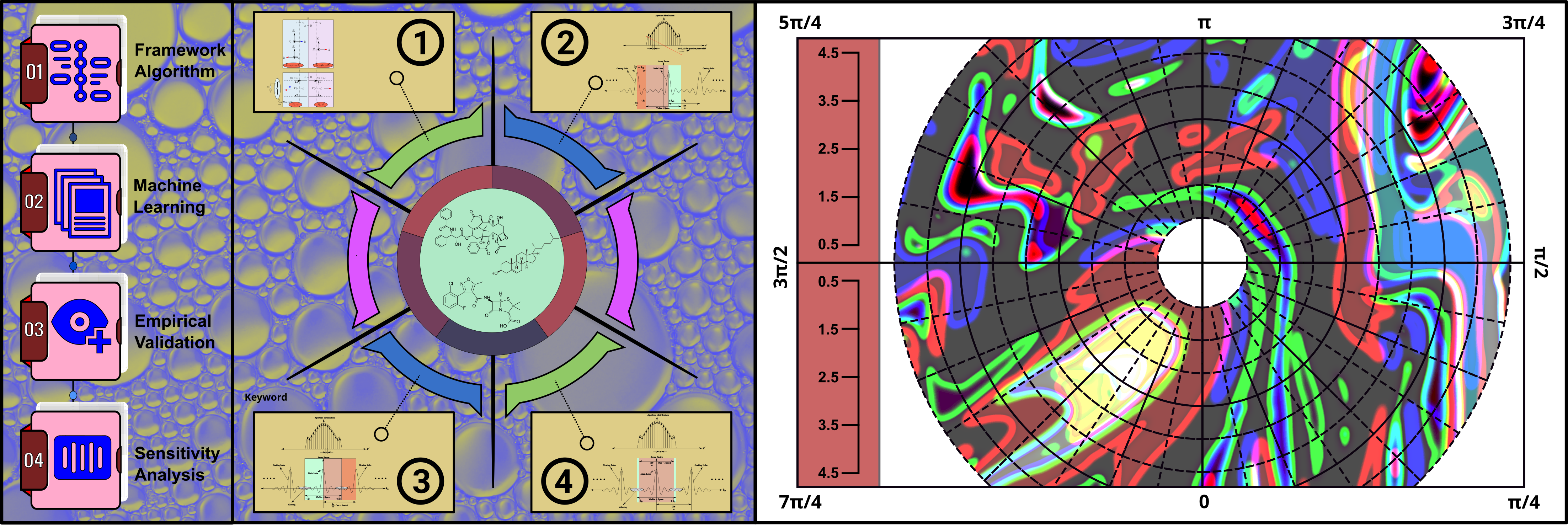
GRAPHICAL ABSTRACT
Downloads
References
A Hojjati-Najafabadi, M Mansoorianfar, T Liang, K Shahin and H Karimi-Maleh. A review on magnetic sensors for monitoring of hazardous pollutants in water resources. Sci. Total Environ. 2022; 824, 153844.
C Pettinari, R Pettinari, CD Nicola, A Tombesi, S Scuri and F Marchetti. Antimicrobial MOFs. Coord. Chem. Rev. 2021; 446, 214121.
R Huang, C Ma, J Ma, X Huangfu and Q He. Machine learning in natural and engineered water systems. Water Res. 2021; 205, 117666.
N Tripathi and MK Goshisht. Recent advances and mechanistic insights into antibacterial activity, antibiofilm activity, and cytotoxicity of silver nanoparticles. ACS Appl. Biol. Mater. 2022; 5, 1391-463.
B Mubeen, AN Ansar, R Rasool, I Ullah, SS Imam, S Alshehri, MM Ghoneim, SI Alzarea, MS Nadeem and I Kazmi. Nanotechnology as a novel approach in combating microbes providing an alternative to antibiotics. Antibiotics 2021; 10, 1473.
C Zhang, L Huang, H Pu and DW Sun. Magnetic surface-enhanced Raman scattering (MagSERS) biosensors for microbial food safety: Fundamentals and applications. Trends Food Sci. Tech. 2021; 113, 366-81.
KS Lee, Z Landry, FC Pereira, M Wagner, D Berry, WE Huang, GT Taylor, J Kneipp, J Popp, M Zhang, JX Cheng and R Stocker. Raman microspectroscopy for microbiology. Nat. Rev. Methods Primers 2021; 1, 80.
C Ongpipattanakul, EK Desormeaux, A DiCaprio, WA van der Donk, DA Mitchell and SK Nair. Mechanism of action of ribosomally synthesized and post-translationally modified peptides. Chem. Rev. 2022; 122, 14722-814.
Y Su, JT Yrastorza, M Matis, J Cusick, S Zhao, G Wang and J Xie. Biofilms: Formation, research models, potential targets, and methods for prevention and treatment. Adv. Sci. 2022; 9, 2203291.
E Molina-Grima, F García-Camacho, FG Acién-Fernández, A Sánchez-Mirón, M Plouviez, C Shene and Y Chisti. Pathogens and predators impacting commercial production of microalgae and cyanobacteria. Biotechnol. Adv. 2021; 55, 107884.
M Meena, A Zehra, P Swapnil, Harish, A Marwal, G Yadav and P Sonigra. Endophytic nanotechnology: An approach to study scope and potential applications. Front. Chem. 2021; 9, 613343.
P Ma, C Li, MM Rahaman, Y Yao, J Zhang, S Zou, X Zhao and M Grzegorzek. A state-of-the-art survey of object detection techniques in microorganism image analysis: From classical methods to deep learning approaches. Artif. Intell. Rev. 2023; 56, 1627-98.
M Awashra and P Młynarz. The toxicity of nanoparticles and their interaction with cells: An in vitro metabolomic perspective. Nanoscale Adv. 2023; 5, 2674-723.
SR McCuskey, J Chatsirisupachai, E Zeglio, O Parlak, P Panoy, A Herland, GC Bazan and TQ Nguyen. Current progress of interfacing organic semiconducting materials with bacteria. Chem. Rev. 2021; 122, 4791-825.
KH Cho, J Wolny, JA Kase, T Unno and Y Pachepsky. Interactions of E. coli with algae and aquatic vegetation in natural waters. Water Res. 2021; 209, 117952.
X Wei, Z Huang, L Jiang, Y Li, X Zhang, Y Leng and C Jiang. Charting the landscape of the environmental exposome. iMeta 2022; 1, e50.
Y Wan, C Zong, X Li, A Wang, Y Li, T Yang, Q Bao, M Dubow, M Yang, LA Rodrigo and C Mao. New insights for biosensing: lessons from microbial defense systems. Chem. Rev. 2022; 122, 8126-80.
Y Zheng, L Bonfili, T Wei and AM Eleuteri. Understanding the gut-brain axis and its therapeutic implications for neurodegenerative disorders. Nutrients 2023; 15, 4631.
S Chatterjee and M More. Cyanobacterial harmful algal bloom toxin microcystin and increased vibrio occurrence as climate-change-induced biological co-stressors: Exposure and disease outcomes via their interaction with gut-liver-brain axis. Toxins 2023; 15, 289.
QY Zhang, F Ke, L Gui and Z Zhao. Recent insights into aquatic viruses: Emerging and reemerging pathogens, molecular features, biological effects, and novel investigative approaches. Water Biol. Secur. 2022; 1, 100062.
SJ Lim, M Son, SJ Ki, SI Suh and J Chung. Opportunities and challenges of machine learning in bioprocesses: Categorization from different perspectives and future direction. Bioresour. Tech. 2022; 370, 128518.
P Chakraborty and KK Krishnani. Emerging bioanalytical sensors for rapid and close-to-real-time detection of priority abiotic and biotic stressors in aquaculture and culture-based fisheries. Sci. Total Environ. 2022; 838, 156128.
K Ayhan, S Coşansu, E Orhan-Yanıkan and G Gülseren. Advance methods for the qualitative and quantitative determination of microorganisms. Microchem. J. 2021; 166, 106188.
CC Lim, J Yoon, K Reynolds, LB Gerald, AP Ault, S Heo and ML Bell. Harmful algal bloom aerosols and human health. eBioMedicine 2023; 93, 104604.
F Saleem, JL Jiang, R Atrache, A Paschos, TA Edge and HE Schellhorn. Cyanobacterial algal bloom monitoring: Molecular methods and technologies for freshwater ecosystems. Microorganisms 2023; 11, 851.
NJ Rowan. Current decontamination challenges and potentially complementary solutions to safeguard the vulnerable seafood industry from recalcitrant human norovirus in live shellfish: Quo Vadis? Sci. Total Environ. 2023; 874, 162380.
LS Rösner, F Walter, C Ude, GT John and S Beutel. Sensors and techniques for on-line determination of cell viability in bioprocess monitoring. Bioengineering 2022; 9, 762.
S Kumar, T Arif, AS Alotaibi, MB Malik and J Manhas. Advances towards automatic detection and classification of parasites microscopic images using deep convolutional neural network: Methods, models and research directions. Arch. Comput. Methods Eng. 2023, 30, 2013-39.
BE Igere, AI Okoh and UU Nwodo. Non-serogroup O1/O139 agglutinable Vibrio cholerae: A phylogenetically and genealogically neglected yet emerging potential pathogen of clinical relevance. Arch. Microbiol. 2022; 204, 323.
GE Quintanilla-Villanueva, J Maldonado, D Luna-Moreno, JM Rodríguez-Delgado, JF Villarreal-Chiu and MM Rodríguez-Delgado. Progress in plasmonic sensors as monitoring tools for aquaculture quality control. Biosensors 2023; 13, 90.
D Çimen, N Bereli and A Denizli. Advanced plasmonic nanosensors for monitoring of environmental pollutants. Curr. Anal. Chem. 2023; 19, 2-17.
A Tauseef, F Hisam, T Hussain, A Caruso, K Hussain, A Châtel and B Chénais. Nanomicrobiology: Emerging trends in microbial synthesis of nanomaterials and their applications. J. Cluster Sci. 2022; 34, 639-64.
SA Okaiyeto, PP Sutar, C Chen, JB Ni, J Wang, AS Mujumdar, JS Zhang, MQ Xu, XM Fang, C Zhang and HW Xiao. Antibiotic resistant bacteria in food systems: Current status, resistance mechanisms, and mitigation strategies. Agr. Commun. 2024; 2, 100027.
S Kumari, R Taliyan and SK Dubey. Comprehensive review on potential signaling pathways involving the transfer of α-synuclein from the gut to the brain that leads to Parkinson’s disease. ACS Chem. Neurosci. 2023; 14, 590-602.
EW Morgan, GH Perdew and AD Patterson. Multi-omics strategies for investigating the microbiome in toxicology research. Toxicol. Sci. 2022; 187, 189-213.
Y Hou, R Chen, Z Wang, R Lu, Y Wang, S Ren, S Li, Y Wang, T Han and S Yang. Bio-barcode assay: A useful technology for ultrasensitive and logic-controlled specific detection in food safety: A review. Anal. Chim. Acta 2023; 1267, 341351.
S Bej, S Swain, AK Bishoyi, CP Mandhata, CR Sahoo and RN Padhy. Wastewater-associated infections: A public health concern. Water Air Soil Pollut. 2023; 234, 444.
KB Shivaram, P Bhatt, B Applegate and H Simsek. Bacteriophage-based biocontrol technology to enhance the efficiency of wastewater treatment and reduce targeted bacterial biofilms. Sci. Total Environ. 2022; 862, 160723.
A Pras and H Mamane. Nowcasting of fecal coliform presence using an artificial neural network. Environ. Pollut. 2023; 326, 121484.
JOG Elechi, R Sirianni, FL Conforti, E Cione and M Pellegrino. Food system transformation and gut microbiota transition: Evidence on advancing obesity, cardiovascular diseases, and cancers - a narrative review. Foods 2023; 12, 2286.
A Igwaran, AJ Kayode, KM Moloantoa, ZP Khetsha and JO Unuofin. Cyanobacteria harmful algae blooms: Causes, impacts, and risk management. Water Air Soil Pollut. 2024; 235, 71.
M Patriarca, N Barlow, A Cross, S Hill, A Robson and J Tyson. Atomic spectrometry update: Review of advances in the analysis of clinical and biological materials, foods and beverages. J. Anal. At. Spectrom. 2024; 39, 624-98.
M Pöttker, K Kiehl, T Jarmer and D Trautz. Convolutional neural network maps plant communities in semi-natural grasslands using multispectral unmanned aerial vehicle imagery. Remote Sens. 2023; 15, 1945.
V Ahuja, A Singh, D Paul, D Dasgupta, P Urajová, S Ghosh, R Singh, G Sahoo, D Ewe and K Saurav. Recent advances in the detection of food toxins using mass spectrometry. Chem. Res. Toxicol. 2023; 36, 1834-63.
R Trivedi, TK Upadhyay, F Khan, P Pandey, RS Kaushal, M Sonkar, D Kumar, M Saeed, MU Khandaker and TB Emran. Innovative strategies to manage polluted aquatic ecosystem and agri-food waste for circular economy. Environ. Nanotechnol. Monit. Manage. 2024; 21, 100928.
D Sharma, G Teli, K Gupta, G Bansal, GD Gupta and PA Chawla. Nano-biosensors from agriculture to nextgen diagnostic tools. Curr. Nanomater. 2022; 7, 110-38.
H Raki, Y Aalaila, A Taktour and DH Peluffo-Ordóñez. Combining AI tools with non-destructive technologies for crop-based food safety: A comprehensive review. Foods 2023; 13, 11.
B İnce, İ Uludağ, B Demirbakan, C Özyurt, B Özcan and MK Sezgintürk. Lateral flow assays for food analyses: Food contaminants, allergens, toxins, and beyond. TrAC Trends Anal. Chem. 2023; 169, 117418.
H Ruan, Y Huang, B Yue, Y Zhang, J Lv, K Miao, D Zhang, J Luo and M Yang. Insights into the intestinal toxicity of foodborne mycotoxins through gut microbiota: A comprehensive review. Compr. Rev. Food Sci. Food Saf. 2023; 22, 4758-85.
F Mermans, V Mattelin, R van den Eeckhoudt, C García-Timermans, J van Landuyt, Y Guo, I Taurino, F Tavernier, M Kraft and H Khan. Opportunities in optical and electrical single-cell technologies to study microbial ecosystems. Front. Microbiol. 2023; 14, 1233705.
DR Ravindran, S Kannan and M Marudhamuthu. Fabrication and characterisation of human gut microbiome derived exopolysaccharide mediated silver nanoparticles - An in-vitro and in-vivo approach of Bio-Pm-AgNPs targeting Vibrio cholerae. Int. J. Biol. Macromol. 2024; 256, 128406.
SR Law, F Mathes, AM Paten, PA Alexandre, R Regmi, C Reid, A Safarchi, S Shaktivesh, Y Wang and A Wilson. Life at the borderlands: Microbiomes of interfaces critical to One Health. FEMS Microbiol. Rev. 2024; 48, fuae008.
G Zammit, MG Zammit and KG Buttigieg. Emerging technologies for the discovery of novel diversity in cyanobacteria and algae and the elucidation of their valuable metabolites. Diversity 2023; 15, 1142.
G Sharma and P Chadha. Evaluation of haematological, genotoxic, cytotoxic and ATR-FTIR alterations in blood cells of fish Channa punctatus after acute exposure of aniline. Sci. Rep. 2023; 13, 20757.
A Rebelo, B Duarte, AR Freitas, L Peixe, P Antunes and C Novais. Exploring peracetic acid and acidic ph tolerance of antibiotic-resistant non-typhoidal salmonella and enterococcus faecium from diverse epidemiological and genetic backgrounds. Microorganisms 2023; 11, 2330.
JL Hernández-Martínez, JA Perera-Burgos, G Acosta-González, J Alvarado-Flores, Y Li and RM Leal-Bautista. Assessment of physicochemical parameters by remote sensing of Bacalar Lagoon, Yucatán Peninsula, Mexico. Water 2023; 16, 159.
GF Neuhaus, AT Aron, EW Isemonger, D Petras, SC Waterworth, LS Madonsela, EC Gentry, X Siwe Noundou, JCJ Kalinski and A Polyzois. Environmental metabolomics characterization of modern stromatolites and annotation of ibhayipeptolides. Plos One 2024; 19, e0303273.
M Manzano, A Cossettini, D Pinamonti, M Maifreni and M Marino. Development of an aptasensor for rapid and specific detection of Escherichia coli in water and milk samples. Eurobiotech J. 2023; 7, 52-3.
M Maifreni, M Marino, A Cossettini, D Pinamonti, A Lena and M Manzano. Quartz Crystal Microbalance (QCM): A biosensor to study the microbial biofilm formation in real-time. Eurobiotech J. 2023; 7, 58-9.
ML Liu, XM Liang, MY Jin, HW Huang, L Luo, H Wang, X Shen and ZL Xu. Food-borne biotoxin neutralization in vivo by nanobodies: Current status and prospects. J. Agr. Food Chem. 2024; 72, 10753-71.
KC Fickas, RE O’Shea, N Pahlevan, B Smith, SL Bartlett and JL Wolny. Leveraging multimission satellite data for spatiotemporally coherent cyanoHAB monitoring. Front. Remote Sens. 2023; 4, 1157609.
OJ Bassey, JR Gumbo, M Mujuru, A Adeyemi and F Dondofema. Comparative analysis of cyanotoxins in fishponds in Nigeria and South Africa. Microbiol. Res. 2024; 15, 447-56.
A Raina, S Kaul and MK Dhar. Sniffing out adulteration in saffron: Detection methods and health risks. Food Contr. 2024; 155, 110042.
PR Hill, A Kumar, M Temimi and DR Bull. HABNet: Machine learning, remote sensing-based detection of harmful algal blooms. IEEE J. Sel. Top. Appl. Earth Obs. Remote Sens. 2020; 13, 3229-39.
MI Vawda, R Lottering, O Mutanga, K Peerbhay and M Sibanda. Comparing the utility of Artificial Neural Networks (ANN) and Convolutional Neural Networks (CNN) on Sentinel-2 MSI to estimate dry season aboveground grass biomass. Sustainability 2024; 16, 1051.
D Panda, BP Dash, S Manickam and G Boczkaj. Recent advancements in LC-MS based analysis of biotoxins: Present and future challenges. Mass Spectrom. Rev. 2022; 41, 766-803.
M Laad and B Ghule. Removal of toxic contaminants from drinking water using biosensors: A systematic review. Groundwater Sustain. Dev. 2023; 20, 100888.
K Karila, RA Oliveira, J Ek, J Kaivosoja, N Koivumäki, P Korhonen, O Niemeläinen, L Nyholm, R Näsi, I Pölönen and E Honkavaara. Estimating grass sward quality and quantity parameters using drone remote sensing with deep neural networks. Remote Sens. 2022; 14, 2692.
L Díez-Quijada, AI Prieto, R Guzmán-Guillén, A Jos and AM Cameán. Occurrence and toxicity of microcystin congeners other than MC-LR and MC-RR: A review. Food Chem. Toxicol. 2019; 125, 106-32.
L Chen, JP Giesy, O Adamovsky, Z Svirčev, J Meriluoto, GA Codd, B Mijovic, T Shi, X Tuo, SC Li, BZ Pan, J Chen and P Xie. Challenges of using blooms of Microcystis spp. in animal feeds: A comprehensive review of nutritional, toxicological and microbial health evaluation. Sci. Total Environ. 2021; 764, 142319.
MF Abdallah, JM Recote, CV Camp, WHRV Hassel, L Pedroni, L Dellafiora, J Masquelier and A Rajkovic. Potential (co-)contamination of dairy milk with AFM1 and MC-LR and their synergistic interaction in inducing mitochondrial dysfunction in HepG2 cells. Food Chem. Toxicol. 2024; 192, 114907.
M Yin, R Ma, H Luo, J Li, Q Zhao and M Zhang. Non-contact sensing technology enables precision livestock farming in smart farms. Comput. Electron. Agr. 2023; 212, 108171.
S Yasmin and M Billah. Digital image processing applications in agriculture with a machine learning approach. Agr. Sci. Tech. 2023; 15, 12-22.
M Torky and AE Hassanein. Integrating blockchain and the internet of things in precision agriculture: Analysis, opportunities, and challenges. Comput. Electron. Agr. 2020; 178, 105476.
C Stumpe, J Leukel and T Zimpel. Prediction of pasture yield using machine learning-based optical sensing: A systematic review. Precis. Agr. 2023, 25; 430-59.
A Siddique, K Cook, Y Holt, SS Panda, AK Mahapatra, ER Morgan, JA van Wyk and TH Terrill. From plants to pixels: The role of artificial intelligence in identifying sericea lespedeza in field-based studies. Agronomy 2024; 14, 992.
T Shitanaka, H Fujioka, M Khan, M Kaur, ZY Du and SK Khanal. Recent advances in microalgal production, harvesting, prediction, optimization, and control strategies. Bioresour. Tech. 2023; 391, 129924.
L Shangru, Z Chengrui, W Ruixue, S Jiamei, X Hangshu, Z Yonggen and S Yukun. Establishment of a feed intake prediction model based on eating time, ruminating time and dietary composition. Comput. Electron. Agr. 2022; 202, 107296.
N Sánchez, J Plaza, M Criado, R Pérez-Sánchez, MÁ Gómez-Sánchez, MR Morales-Corts and C Palacios. The second derivative of the NDVI time series as an estimator of fresh biomass: A case study of eight forage associations monitored via UAS. Drones 2023; 7, 347.
S Ruan, R Di, Y Zhang, T Yan, H Cang, F Tan, M Zhang, N Wu, L Guo, P Gao and W Xu. Metric-based meta-learning combined with hyperspectral imaging for rapid detection of adulteration in domain-shifted camel milk powder. LWT 2024; 206, 116537.
R Roy, S Marakkar, MP Vayalil, A Shahanaz, AP Anil, S Kunnathpeedikayil, I Rawal, K Shetty, Z Shameer, S Sathees, AP Prasannakumar, OK Mathew, L Subramanian, K Shameer and KK Yadav. Drug-food interactions in the era of molecular big data, machine intelligence, and personalized health. Recent Adv. Food Nutr. Agr. 2022; 13, 27-50.
J Rooney, E Rivera-de-Torre, R Li, K Mclean, DRG Price, AJ Nisbet, AH Laustsen, TP Jenkins, A Hofmann, S Bakshi, A Zarkan and C Cantacessi. Structural and functional analyses of nematode-derived antimicrobial peptides support the occurrence of direct mechanisms of worm-microbiota interactions. Comput. Struct. Biotechnol. J. 2024; 23, 1522-33.
SSQ Rodrigues, LG Dias and A Teixeira. Emerging methods for the evaluation of sensory quality of food: Technology at service. Curr. Food Sci. Tech. Rep. 2024; 2, 77-90.
X Ren, H Tian, K Zhao, D Li, Z Xiao, Y Yu and F Liu. Research on pH value detection method during maize silage secondary fermentation based on computer vision. Agriculture 2022; 12, 1623.
N Pillai, M Ramkumar and B Nanduri. Artificial intelligence models for zoonotic pathogens: A survey. Microorganisms 2022; 10, 1911.
P Mohseni and A Ghorbani. Exploring the synergy of artificial intelligence in microbiology: Advancements, challenges, and future prospects. Comput. Struct. Biotechnol. Rep. 2024; 1, 100005.
M Meenu, C Kurade, BC Neelapu, S Kalra, HS Ramaswamy and Y Yu. A concise review on food quality assessment using digital image processing. Trends Food Sci. Tech. 2021; 118, 106-24.
LJ Marcos-Zambrano, K Karaduzovic-Hadziabdic, TL Turukalo, P Przymus, V Trajkovik, O Aasmets, M Berland, A Gruca, J Hasic, K Hron, T Klammsteiner, M Kolev, L Lahti, MB Lopes, V Moreno, I Naskinova, E Org, I Paciência, G Papoutsoglou, …, J Truu. Applications of machine learning in human microbiome studies: A review on feature selection, biomarker identification, disease prediction and treatment. Front. Microbiol. 2021; 12, 634511.
C Maraveas, D Konar, DK Michopoulos, KG Arvanitis and KP Peppas. Harnessing quantum computing for smart agriculture: Empowering sustainable crop management and yield optimization. Comput. Electron. Agr. 2024; 218, 108680.
Y Li, R Zheng, Y Wu, K Chu, Q Xu, M Sun and ZJ Smith. A low‐cost, automated parasite diagnostic system via a portable, robotic microscope and deep learning. J. Biophotonics 2019; 12, e201800410.
RS Kent, EM Briggs, BL Colon, C Alvarez, SS Pereira and MD Niz. Paving the way: Contributions of big data to apicomplexan and Kinetoplastid research. Front. Cell. Infect. Microbiol. 2022; 12, 900878.
G Kapalaga, FN Kivunike, S Kerfua, D Jjingo, S Biryomumaisho, J Rutaisire, P Ssajjakambwe, S Mugerwa and Y Kiwala. A unified foot and mouth disease dataset for Uganda: Evaluating machine learning predictive performance degradation under varying distributions. Front. Artif. Intell. 2024; 7, 1446368.
C Ippoliti, L Bonicelli, MD Ascentis, S Tora, AD Lorenzo, SG D’Alessio, A Porrello, A Bonanni, D Cioci, M Goffredo, S Calderara and A Conte. Spotting Culex pipiens from satellite: Modeling habitat suitability in central Italy using Sentinel-2 and deep learning techniques. Front. Vet. Sci. 2024; 11, 1383320.
A Herlin, E Brunberg, J Hultgren, N Högberg, A Rydberg and A Skarin. Animal welfare implications of digital tools for monitoring and management of cattle and sheep on pasture. Animals 2021; 11, 829.
D Handa and JM Peschel. A review of monitoring techniques for livestock respiration and sounds. Front. Anim. Sci. 2022; 3, 904834.
S Ghaffarian, MVD Voort, J Valente, B Tekinerdogan and YD Mey. Machine learning-based farm risk management: A systematic mapping review. Comput. Electron. Agr. 2022; 192, 106631.
E Elbasi, N Mostafa, Z AlArnaout, AI Zreikat, E Cina, G Varghese, A Shdefat, AE Topcu, W Abdelbaki, S Mathew and C Zaki. Artificial intelligence technology in the agricultural sector: A systematic literature review. IEEE Access 2022; 11, 171-202.
W Ekloh, A Asafu-Adjaye, CNL Tawiah-Mensah, SM Ayivi-Tosuh, NKA Quartey, AF Aiduenu, BK Gayi, JAM Koudonu, LA Basing, JAA Yamoah, AK Dofuor and JHN Osei. A comprehensive exploration of schistosomiasis: Global impact, molecular characterization, drug discovery, artificial intelligence and future prospects. Heliyon 2024; 10, e33070.
K Džermeikaitė, D Bačėninaitė and R Antanaitis. Innovations in cattle farming: Application of innovative technologies and sensors in the diagnosis of diseases. Animals 2023; 13, 780.
FRD Santos, CMM Filho, RFLD Cerqueira, RY Yada, PED Augusto, BRD Castro Leite and AAL Tribst. Strategies to extend the shelf life of sheep and goat cheese whey under refrigeration: Nisin, bioprotective culture, and acidification. Food Biosci. 2024; 57, 103495.
CMD Korne, LV Lieshout, FWBV Leeuwen and M Roestenberg. Imaging as a (pre)clinical tool in parasitology. Trends Parasitol. 2023; 39, 212-26.
E Clear, RA Grant, M Carroll and CA Brassey. A review and case study of 3D imaging modalities for female amniote reproductive anatomy. Integr. Comp. Biol. 2022; 62, 542-58.
T Chen, H Zheng, J Chen, Z Zhang and X Huang. Novel intelligent grazing strategy based on remote sensing, herd perception and UAVs monitoring. Comput. Electron. Agr. 2024; 219, 108807.
JO Chelotti, LS Martinez-Rau, M Ferrero, LD Vignolo, JR Galli, AM Planisich, HL Rufiner and LL Giovanini. Livestock feeding behaviour: A review on automated systems for ruminant monitoring. Biosyst. Eng. 2024; 246, 150-77.
S Koley. Augmenting efficacy of global climate model forecasts: Machine learning appraisal of remote sensing data. Int. J. Eng. Trends Tech. 2024; 72, 442-502.
S Koley. Role of fluid dynamics in infectious disease transmission: Insights from COVID-19 and other pathogens. Trends Sci. 2024; 21, 8287.
S Koley. Electrochemistry of Phase-Change Materials in Thermal Energy Storage Systems: A Critical Review of Green Transitions in Built Environments. Trends Sci. 2024; 21, 8538.
Downloads
Additional Files
Published
How to Cite
Issue
Section
License
Copyright (c) 2024 Walailak University

This work is licensed under a Creative Commons Attribution-NonCommercial-NoDerivatives 4.0 International License.





