
Spray Drying of Inca Peanut Meal Protein Hydrolysate to Produce Protein Powder Drink Mix
DOI:
https://doi.org/10.48048/tis.2024.8371Keywords:
Inca peanut meal, Spray drying, Maltodextrin, Protein drink mix, Protein hydrolysateAbstract
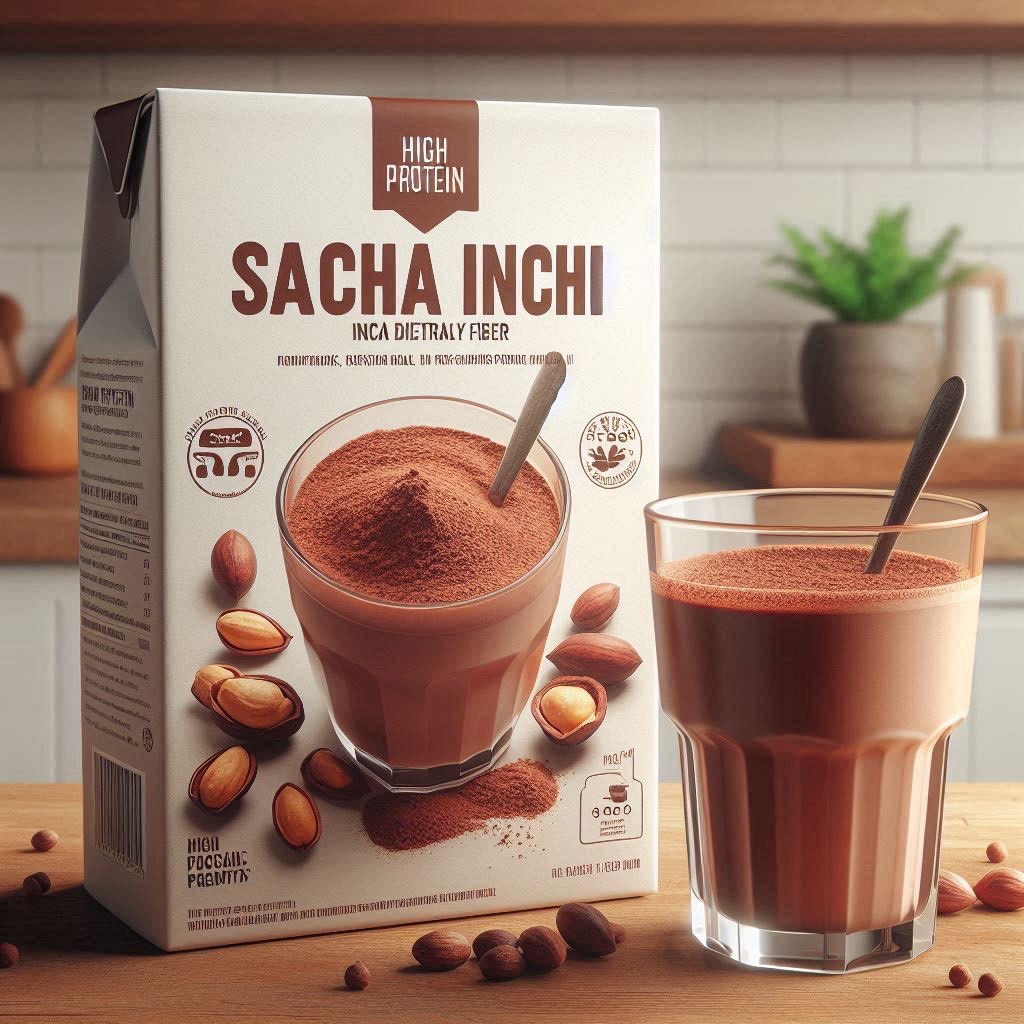
The optimal conditions (maltodextrin concentration and inlet air temperature) for spray drying Inca peanut meal protein hydrolysate (IMPH) were determined. The maltodextrin concentration was varied at 5, 10 and 15 % by weight, and inlet air temperature was varied at 150, 160 and 170 °C. The IMPH was subjected to spray drying, where the feed solution was atomized into fine droplets and exposed to a hot air stream, leading to rapid drying and the formation of powder. The moisture, protein, yield, water activity and water solubility index (WSI) of IMPH powder were analyzed. The optimal condition for spray drying IMPH powder utilized 10 % maltodextrin and an inlet air temperature of 160 °C. Under these conditions, the moisture, protein, yield and WSI of IMPH powder were 2.93, 36.93, 38.95 and 99.59 %, respectively, while water activity was 0.41. IMPH powder particles were spherical and non-agglomerate. Inca peanut meal protein powder drink mix (IMPD) with cocoa flavor was the most acceptable. The IMPD with cocoa flavor could be promoted as a high protein and high dietary fiber product. It could be kept at 35 ± 2 °C for 12 weeks, whilst retaining good microbiological properties.
HIGHLIGHTS
- The optimal conditions for spray drying Inca peanut meal protein hydrolysate (IMPH) were determined to be 10% maltodextrin and an inlet air temperature of 160 °C. This resulted in high yield, protein content, and water solubility, while keeping moisture and water activity low.
- IMPH powder had spherical, non-agglomerated particles, and cocoa-flavored Inca peanut protein powder drink mix (IMPD) was the most preferred in sensory evaluations.
- The IMPD with cocoa flavor was identified as a high-protein, high-dietary-fiber product, suitable for storage at 35 °C for up to 12 weeks while maintaining good microbiological quality.
- The study highlights the nutritional benefits of the cocoa-flavored IMPD, which includes essential amino acids, omega-3 fatty acids, and antioxidant properties.
GRAPHICAL ABSTRACT
Downloads
References
P Binou, AE Yanni, K Kartsioti, A Barmpagianni, P Konstantopoulos, VT Karathanos and A Kokkinos. Wheat biscuits enriched with plant-based protein contribute to weight loss and beneficial metabolic effects in subjects with overweight/obesity. Nutrient 2022; 14, 2516.
AF Brown, CM Prado, S Ghosh, SM Leonard, PJ Arciero, KL Tucker and MJ Ormsbee. Higher-protein intake and physical activity are associated with healthier body composition and cardiometabolic health in Hispanic adults. Clin. Nutr. ESPEN 2019; 30, 145-51.
S Sirikeratikul. Retail foods: Thailand. United States Department of Agriculture, Bangkok, Thailand, 2021.
J Aschemann-Witzel and AO Peschel. Consumer perception of plant-based proteins: The value of source transparency for alternative protein ingredients. Food Hydrocolloids 2019; 96, 20-8.
J Moon and G Koh. Clinical evidence and mechanisms of high-protein diet-induced weight loss. J. Obes. Metab. Syndr. 2020; 29, 166-73.
P Kalin. Factors effecting customer satisfaction and purchase intention: A case study of high protein food purchase for weight control among young adults in Thailand. Songklanakarin J. Manage. Sci. 2021; 38, 26-55.
S Rawdkuen, D Murdayanti, S Ketnawa and S Phongthai. Chemical properties and nutritional factors of pressed-cake from tea and sacha inchi seeds. Food Biosci. 2016; 15, 64-71.
M Guillen, A Ruiz, N Cabo, R Chirinos and G Pascual. Characterization of sacha inchi (Plukenetia volubilis L.) oil by FTIR spectroscopy and 1H NMR. comparison with linseed oil. J. Am. Oil Chem. Soc. 2003; 80, 755-62.
J Christophe, C Tan, H Wasoh and OM Lai. Comparative study of thermal pre-treatment on the extraction, antioxidant, fatty acid profile, and physicochemical properties of inca inchi seed oil. Pertanika J. Trop. Agr. Sci. 2023; 46, 909-30.
FL Suarez and MD Levitt. An understanding of excessive intestinal gas. Curr. Gastroenterol. Rep. 2000; 2, 413-9.
GS Gilani, CW Xiao and KA Cockell. Impact of antinutritional factors in food proteins on the digestibility of protein and the bioavailability of amino acids and on protein quality. Br. J. Nutr. 2012; 108, S315-S332.
M Tan, MA Nawaz and R Buckow. Functional and food application of plant proteins - a review. Food Rev. Int. 2023; 39, 2428-56.
Y Hou, Z Wu, Z Dai, G Wang and G Wu. Protein hydrolysates in animal nutrition: Industrial production, bioactive peptides, and functional significance. J. Anim. Sci. Biotechnol. 2017; 8, 24.
A Chavez-Salazar, DA Ruiz-Urbano, JC Rojas-Sánchez and FJ Castellanos-Galeano. Evaluation of a functional beverage obtained by spray drying. Ing. Compet. 2022; 24, e20110582.
VP Yarlina, MR Ramdani, Zaida, N Sukri, M Djali, R Andoyo and MN Lani. Protein isolate of jack bean tempeh (Canavalia ensiformis) by spray drying method with variation of inlet temperature. Int. J. Adv. Sci. 2022; 12, 1775-80.
A Mouzai, A. Kheroufi, L Afoutni, W Louaer, MN Zidoune and H Boughellout. Optimisation of spray drying parameters using mixed flow in whey powder production using response surface methodology (RSM). Acta Aliment. 2023; 52, 220-34.
J Finney, R Buffo and GA Reineccius. Effects of type of atomization and processing temperatures on the physical properties and stability of spray-dried flavors. J. Food Sci. 2002; 67, 1108-14.
N Laohakunjit, O Kerdchoechuen, R Kaprasob and FB Matta. Volatile flavor, antioxidant activity and physicochemical properties of enzymatic defatted sesame hydrolysate. J. Food Process. Preserv. 2017; 41, e13075.
AOAC International. Official methods of analysis of AOAC International. 20th ed. AOAC International, Gaithersburg, 2016.
TA Shittu and MO Lawal. Factors affecting instant properties of powdered cocoa beverages. Food Chem. 2007; 100, 91-8.
VAV Queiroz, AS Aguiar, CBD Menezes, CWPD Carvalho, CL Paiva, PC Fonseca and RRPD Conceição. A low calorie and nutritive sorghum powdered drink mix: Influence of tannin on the sensorial and functional properties. J. Cereal Sci. 2018; 79, 43-9.
R Amarowicz, RB Pegg, P Rahimi-Moghaddam, B Barl and JA Weil. Free-radical scavenging capacity and antioxidant activity of selected plant species from the Canadian prairies. Food Chem. 2004; 84, 551-62.
M Kanlayavattanakul, D Ospondpant, U Ruktanonchai and N Lourith. Biological activity assessment and phenolic compounds characterization from the fruit pericarp of Litchi chinensis for cosmetic applications. Pharmaceut. Biol. 2012; 50, 1384-90.
IFF Benzie and JJ Strain. The ferric reducing ability of plasma (FRAP) as a measure of “antioxidant power”: The FRAP assay. Anal. Biochem. 1996; 239, 70-6.
B Ou, M Hampsch-Woodill and RL Prior. Development and validation of an improved oxygen radical absorbance capacity assay using fluorescein as the fluorescent probe. J. Agr. Food Chem. 2001; 49, 4619-26.
W Vyncke. Direct determination of the thiobarbituric acid value in trichloracetic acid extracts of fish as a measure of oxidative rancidity. Fette Seifen Anstrichm. 1970; 72, 1084-7.
AD Hitchins and Y Chen. Chapter 10: Detection of listeria monocytogenes in foods and environmental samples, and enumeration of listeria monocytogenes in foods. In: K Jinneman (Ed.). Bacteriological analytical manual (BAM). U.S. Food & Drug Administration (FDA), Maryland, 2022.
TP Paseephol and R Jaengsanam. Effect of carrier quantity on the physicochemical properties of spray dried betalain powder from Basella alba L. fruit. Khonkean Agr. J. 2019; 47, 1373-8.
M Ahmed, M Akter and JB Eun. Impact of alpha-amylase and maltodextrin on physicochemical, functional and antioxidant capacity of spray-dried purple sweet potato flour. J. Sci. Food Agr. 2009; 90, 494-502.
N Kruapongsak, J Jamradloedluk and C Niamnuy. Spray drying conditions affecting characteristics of Sericin powder derived from Thai native silk waste water. Asia Pac. J. Sci. Tech. 2017; 16, 813-24.
GEG Moreira, MGM Costa, ACRD Souza, ESD Brito, MFDD Medeiros and HMCD Azeredo. Physical properties of spray dried acerola pomace extract as affected by temperature and drying aids. LWT Food Sci. Tech. 2009; 42, 641-5.
G Atmaca. Antioxidant effects of sulfur-containing amino acids. Yonsei Med. J. 2004; 45, 776-88.
P Wongsa-Ngasri, B Thumthanaruk and S Saehor. Production of protein hydrolysate powder from jellyfish using spray drying. King Mongkut’s Agr. J. 2015; 33, 11-20.
YZ Cai and H Corke. Production and properties of spray-dried amaranthus betacyanin pigments. J. Food Sci. 2000; 65, 1248-52.
YVG Chng, LS Chang and LP Puia. Effects of maltodextrin concentration and inlet temperature on the physicochemical properties of spray-dried kuini powder. Asia Pac. J. Mol. Biol. Biotechnol. 2020; 28, 117-31.
RMQD Ramos, FDC Siacor and EB Taboada. Effect of maltodextrin content and inlet temperature on the powder qualities of spray-dried pineapple (Ananas comosus) waste extract. Waste Biomass Valorization 2020; 11, 3247-55.
SK Ikeda and JRD Finzer. Production of maltodextrin in spray drying and srri: Impacts of the glass transition temperature. Seven Editora 2023; 7, 207-17.
K Khuenpet, M Fukuoka, W Jittanit and S Sirisansaneeyakul. Spray drying of inulin component extracted from Jerusalem artichoke tuber powder using conventional and ohmic-ultrasonic heating for extraction process. J. Food Eng. 2017; 194, 67-78.
CN Ishiwu, JE Obiegbuna and JO Iwouno. Effect of inlet-air temperature on physico-chemical and sensory properties of spray-dried soy milk. Afr. J. Food Agr. Nutr. Dev. 2014; 14, 2239-53.
N Yansupap. 2007, Effect of xanthan gum and turmeric powder on frozen chicken green curry product qualities. Master Thesis, Kasetsart University, Thailand, 2007.
AC Karaca, O Guzel and MM Ak. Effects of processing conditions and formulation on spray drying of sour cherry juice concentrate. J. Sci. Food Agr. 2016; 96, 449-55.
RV Tonon, C Brabet and MD Hubinger. Influence of process conditions on the physicochemical properties of açai (Euterpe oleraceae Mart.) powder produced by spray drying. J. Food Eng. 2008; 88, 411-8.
L Alamilla-Beltrán, JJ Chanona-Pérez, AR Jiménez-Aparicio and GF Gutiérrez-López. Description of morphological changes of particles along spray drying. J. Food Eng. 2005; 67, 179-84.
JJ Nijdam and TAG Langrish. The effect of surface composition on the functional properties of milk powders. J. Food Eng. 2006; 77, 919-25.
P Kajla, A Sharma and DR Sood. Flaxseed-a potential functional food source. J. Food Sci. Tech. 2015; 52, 1857-71.
Bureau of Nutrition. Dietary reference intake for Thais. Bureau of Nutrition, Nonthaburi, Thailand, 2020.
MH Tunick, A Thomas-Gahring, DL van Hekken, SK Iandola, M Singh, PX Qi, DO Ukuku, S Mukhopadhyay, CI Onwulata and PM Tomasula. Physical and chemical changes in whey protein concenrate stored at elevated temperature and humidity. J. Dairy Sci. 2016; 99, 2372-83.
Q Rao and TP Labuza. Effect of moisture content on selected physicochemical properties of two commercial hen egg white powders. Food Chem. 2012; 132, 373-84.
Industry TISIMo. Thai community product standard: Instant soy bean 688/2558. Thai Industrial Standards Institute Ministry of Industry, Bangkok, Thailand, 2015.
T Thamee, P Intipunya and D Buntam. Shelf-life evaluation of mixed tea product from mulberry leaf and fruit using accelerated testing method. J. Agr. 2018; 34, 157-66.
MB Priyadarshini, RK Majumder and P Maurya. Effect of vacuum packaging on the shelf-life of shrimp analog prepared from Pangasionodon hypophthalmus surimi during refrigerated storage. J. Food Process. Preserv. 2022; 46, e16369.
A Loza, M Quispe, JEV Tiburcio and P Peláez. Development of functional cookies with wheat flour, banana flour (Musa paradisiaca), sesame seeds (Sesamum indicum) and storage stability. Sci. Agropecu. 2017; 8, 315-25.
Downloads
Published
How to Cite
Issue
Section
License
Copyright (c) 2024 Walailak University

This work is licensed under a Creative Commons Attribution-NonCommercial-NoDerivatives 4.0 International License.





